

If you’re a soccer ball lover like me, you already know how crucial footwork is to dominating the pitch. It’s not just about speed—it’s about control, agility, and quick thinking. Soccer footwork drills serve as the building blocks that transform raw talent into refined skills. Whether you’re weaving through defenders or controlling a tricky pass, your footwork shapes your game. In this article, I’ll take you through five powerful soccer footwork drills tailored to boost your agility, coordination, and ball control, helping you play smarter and faster.
We’ll start by understanding why soccer footwork drills are vital and explore warm-up techniques to prepare you physically. Then, dive deep into ladder, cone, figure-eight, quick feet, and plyometric drills, each loaded with variations and practical advice from the pitch. You’ll learn how to tailor these drills to your position—midfielder, forward, or defender—and incorporate technology and feedback for steady improvement. By the end, footwork won’t just be a skill; it’ll become second nature. Let’s lace up those cleats and get moving!
Understanding the Importance of Soccer Footwork Drills
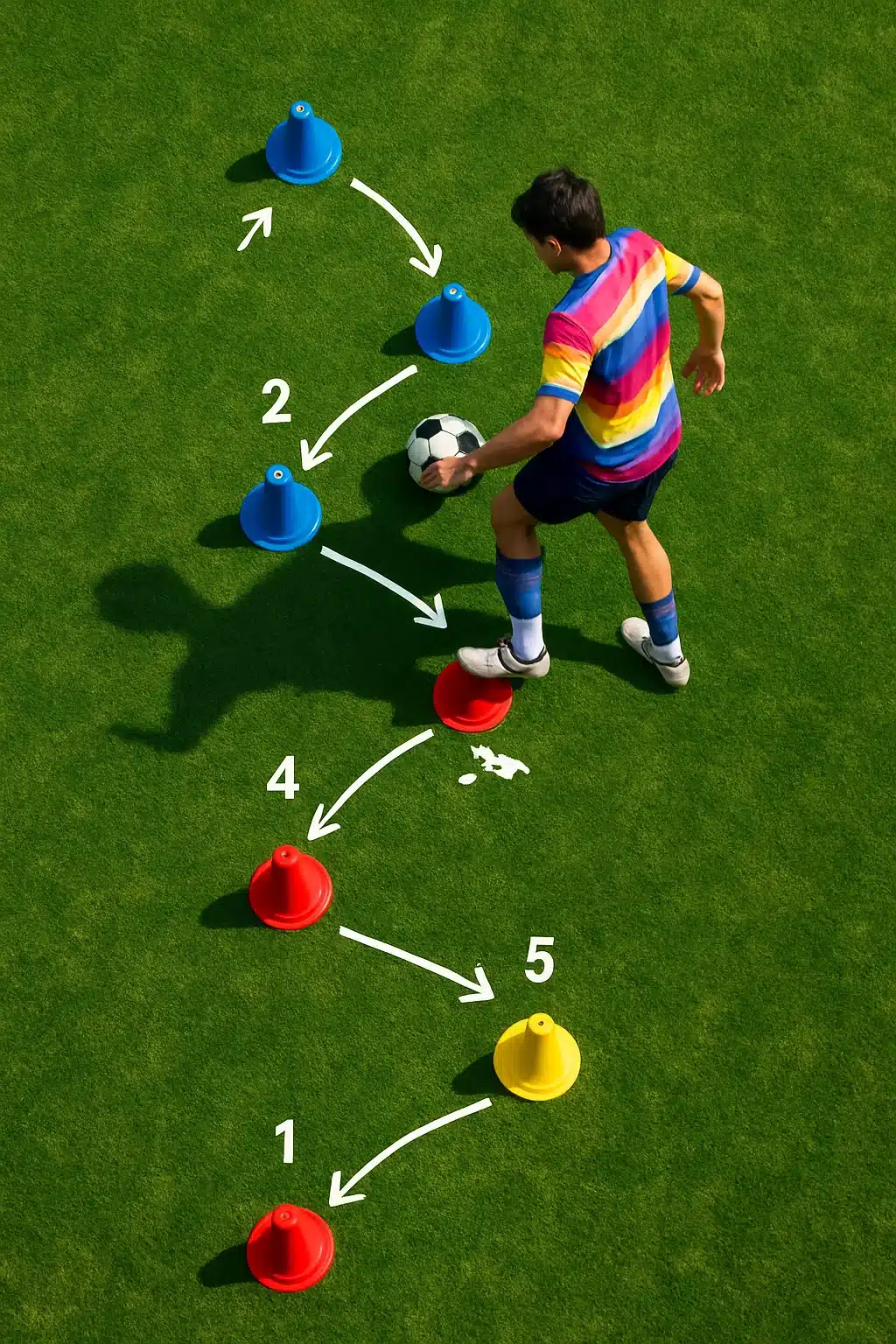
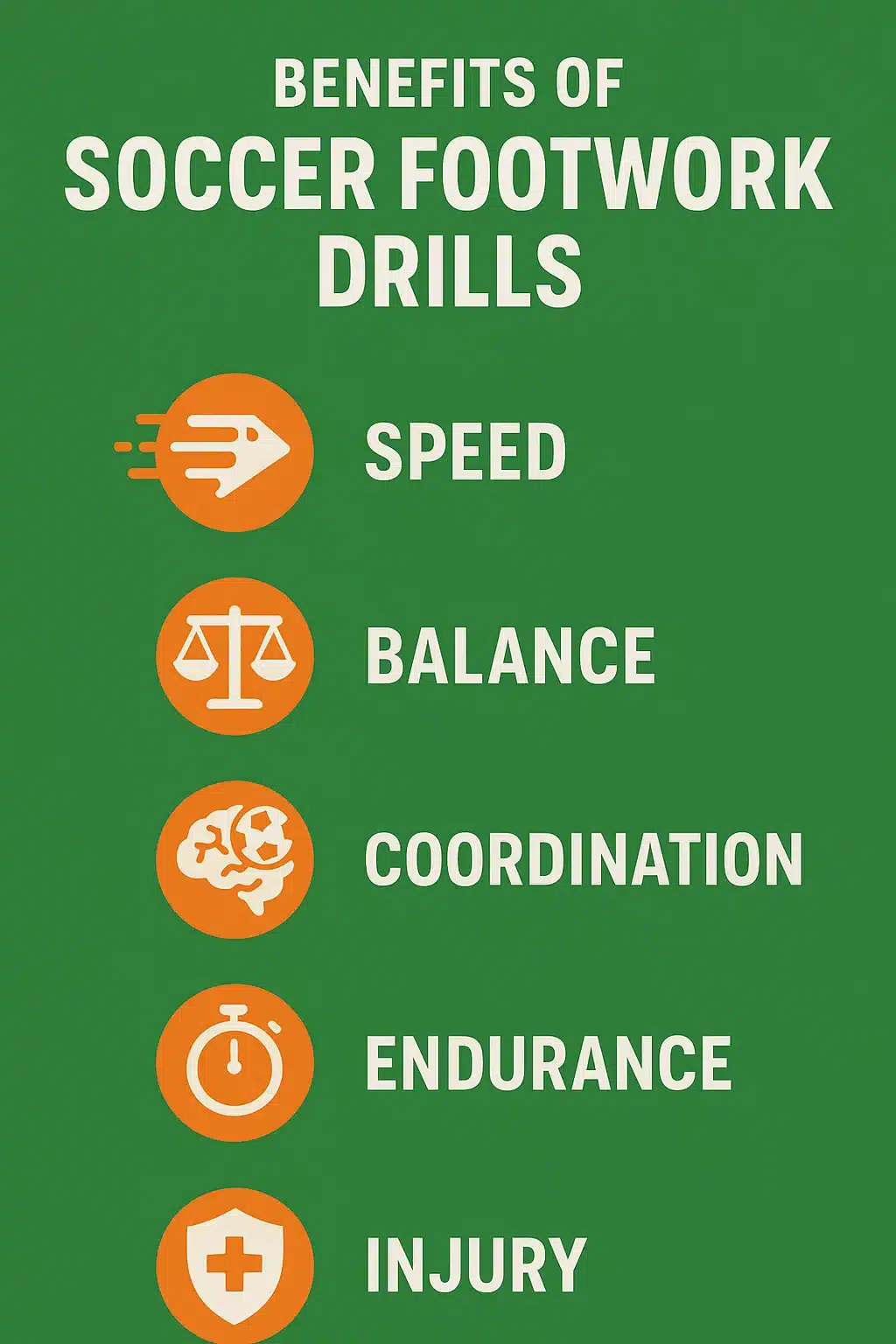
When I first started playing soccer, I thought raw speed was all I needed. But over time, I realized the magic truly happens in your feet. Soccer footwork drills aren’t just about moving fast—they’re about moving smart.
How Footwork Enhances Agility and Ball Control
Agility is your ability to change direction quickly and efficiently. Good footwork drills train your muscles and brain to sync seamlessly. For instance, tight dribbling requires pinpoint foot placement, helping you maneuver through tight spaces with control. When you train your feet to move swiftly and accurately, you reduce wasted energy and increase your responsiveness during a game.
Ball control is equally impacted. The way you position your foot to receive, pass, or dribble the ball begins with footwork fundamentals. If your footwork is shaky, your passes will be off, and your dribbling will lack precision. Through specific drills, I’ve seen players gain a sense of “touch” that elevates their overall performance significantly.
Role of Coordination and Reaction Time in Footwork
Footwork isn’t just physical; it’s a mental game too. Coordination, or how well your body parts work together, defines your efficiency on the field. The quicker your brain processes information and your feet respond, the better your overall game becomes.
Reaction time comes into play especially in competitive situations—say, when an opponent tries to intercept the ball. Soccer footwork drills that incorporate reaction elements train your body to react instantaneously to visual or auditory cues. This split-second difference often decides if you keep possession or lose it.
Essential Warm-Up Techniques to Prepare for Footwork Drills
Before you jump into intensive soccer footwork drills, preparation is key. Warming up correctly prevents injuries and primes your muscles for peak performance.
Dynamic Warm-Ups for Enhanced Athletic Foot Speed
Static stretching has fallen out of favor before agility work because it can reduce muscle power temporarily. Instead, I recommend dynamic warm-ups that mimic game movements. Walking lunges, high knees, butt kicks, and carioca drills get your blood pumping and muscles firing.
For example, high knees engage your hip flexors and calves, foundational for fast foot turnover. Carioca drills improve lateral movement and coordination, perfect for the multi-directional demands of soccer.
Spend 8-10 minutes on these, and you’ll notice your feet feeling lighter and more responsive.
Incorporating Plyometric Exercises to Boost Stability
Plyometrics are explosive movements designed to improve power and balance. Adding simple jumps, hop-scotch drills, and quick lateral bounds helps develop ankle strength and joint stability.
I like to do box jumps or single-leg hops before my footwork drills. These exercises train your muscles to absorb impact efficiently and stabilize your landings, reducing injury risk during fast cuts and sprints on the pitch. Plus, the explosive power gained transfers directly to quicker feet.
Drill 1: Ladder Drills for Soccer Footwork Training
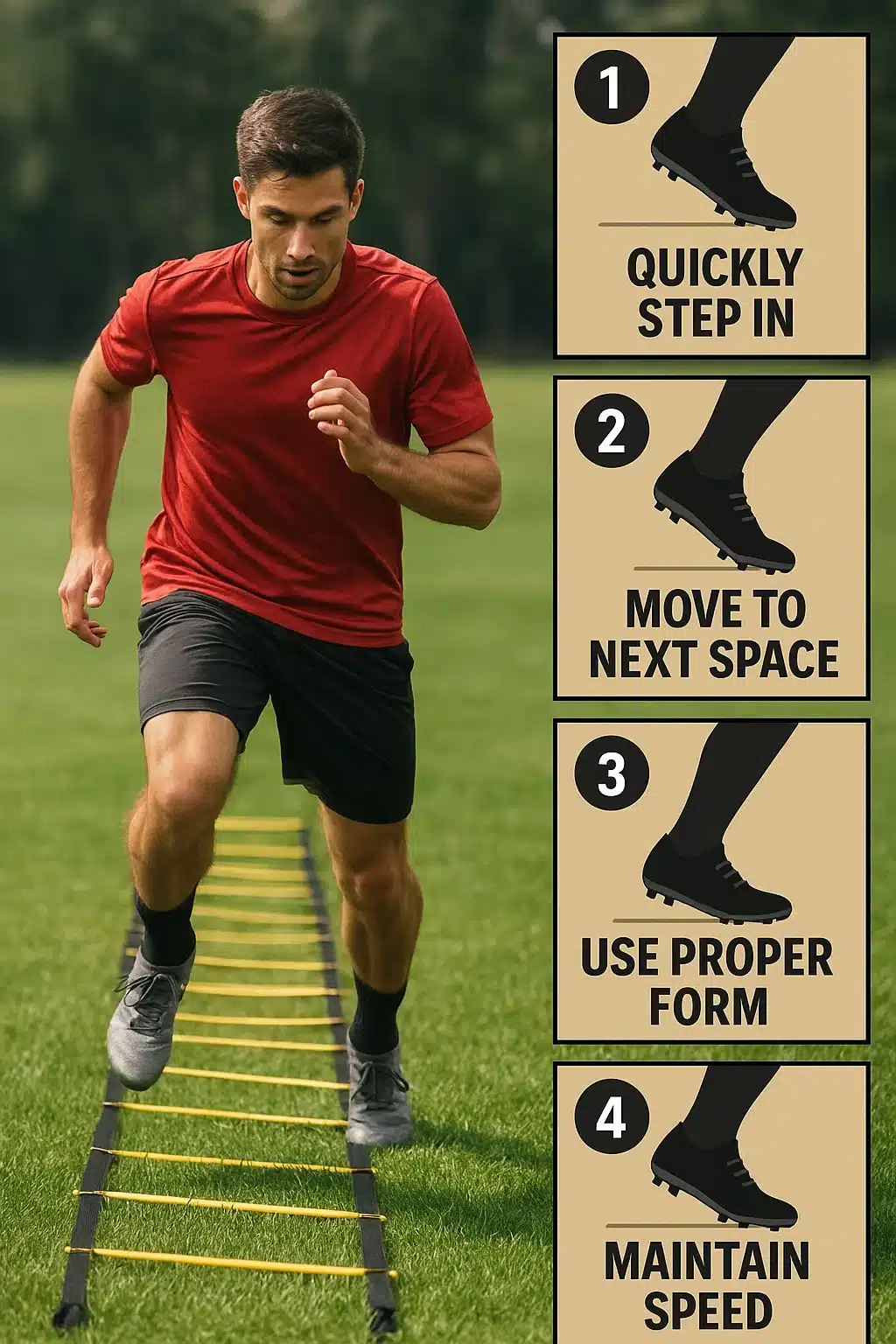
Ladder drills are a classic—and for good reason. They help develop speed, coordination, and precision of foot placement. You don’t need much space, just a speed ladder (or something similar like painted lines or ropes).
Variations of Speed Ladder Drills to Increase Quick Feet
Here are two effective ladder drills I use regularly:
Single Foot In and Out Drill
- How to: Starting at one end, step into the first box with your right foot, then left foot, and out with right, then left. Think of it as tap dancing across the ladder.
- Focus: Keep your knees slightly bent and stay on the balls of your feet. Move as quickly as possible while maintaining control.
- Benefit: Enhances foot speed and neuromuscular coordination.
Lateral Side Steps with Ladder
- How to: Stand sideways to the ladder. Step into the first box with the outside foot, then quickly follow with the inside foot. Continue moving sideways until the end.
- Focus: Keep your hips facing forward, maintain a low center of gravity for better balance.
- Benefit: Improves lateral quickness and hip mobility.
Progressive Ladder Drills for Skill Development
Once you master basic movements, try combining drills—for example, a single foot in and out, followed immediately by lateral steps backward through the ladder. This challenges your brain and muscles to adapt quickly to changing movement patterns, mimicking in-game unpredictability.
Some advanced players add a ball to the mix, dribbling through the ladder to elevate difficulty and ball control.
Drill 2: Cone Drills to Improve Multi-Directional Movement
Cone drills are fantastic for simulating real match scenarios where players have to pivot, cut, and accelerate in different directions.
Setting Up Small Cones for Tight Space Agility Training
Set up 5-7 cones about a yard apart in a zigzag pattern. Sprint from one cone to the next, cutting sharply at each. Focus on quick planting of your foot and low body positioning.
Make sure your knees don’t cave inward on sharp turns—a common mistake leading to injury. Instead, think about pushing off with the outside foot and using your arms for balance.
Cone Weaving for Enhanced Ball Control Techniques
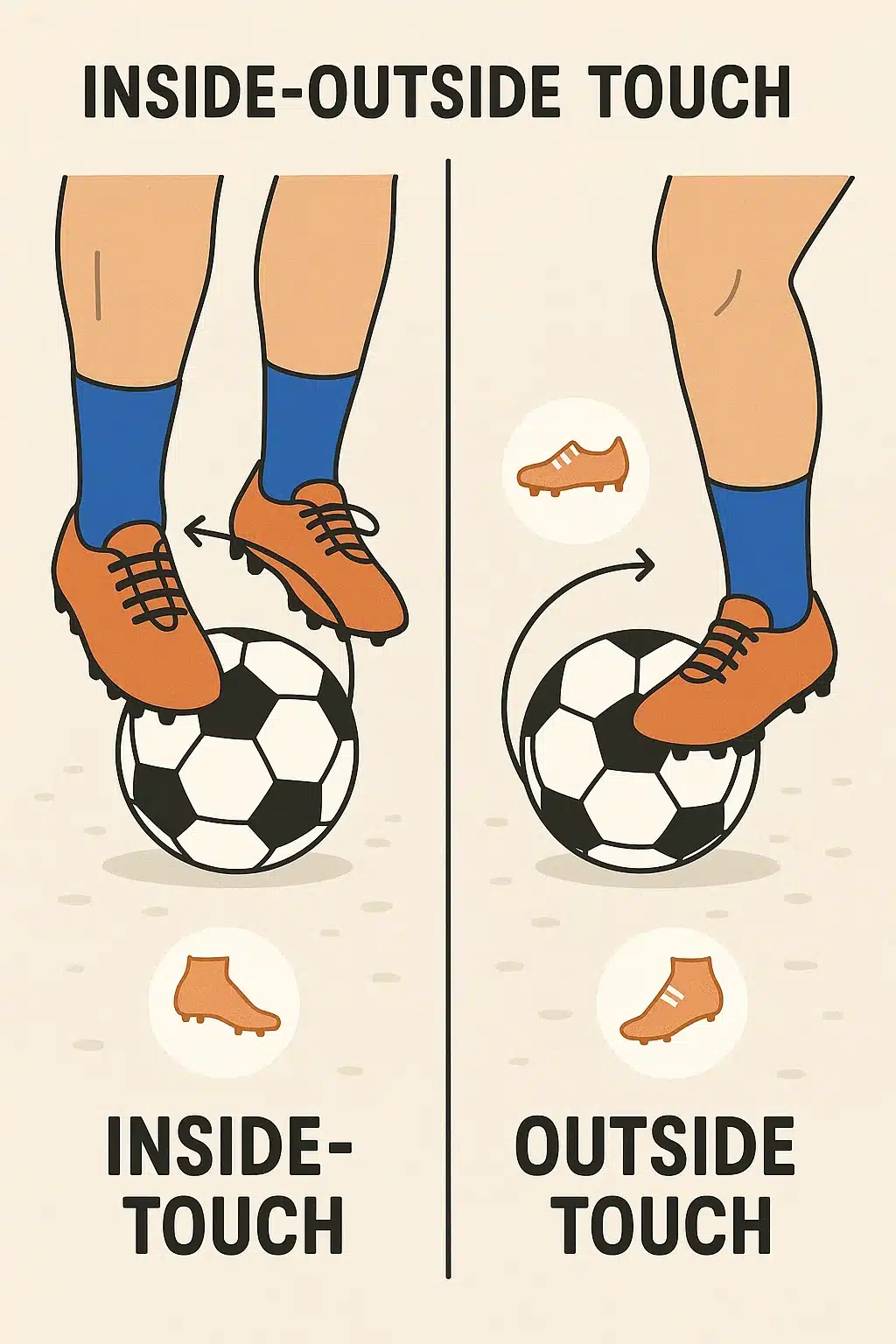
Add a soccer ball to the cone zigzag pattern to practice dribbling while changing direction. Use the inside and outside of your foot alternately to keep the ball close.
This drill trains simultaneous foot coordination and ball control, essential for midfielders and forwards who navigate tight spaces surrounded by defenders.
Advanced players try weaving with their heads up, improving spatial awareness while managing the ball.
Drill 3: Figure-Eight Dribbling Exercises for Coordination
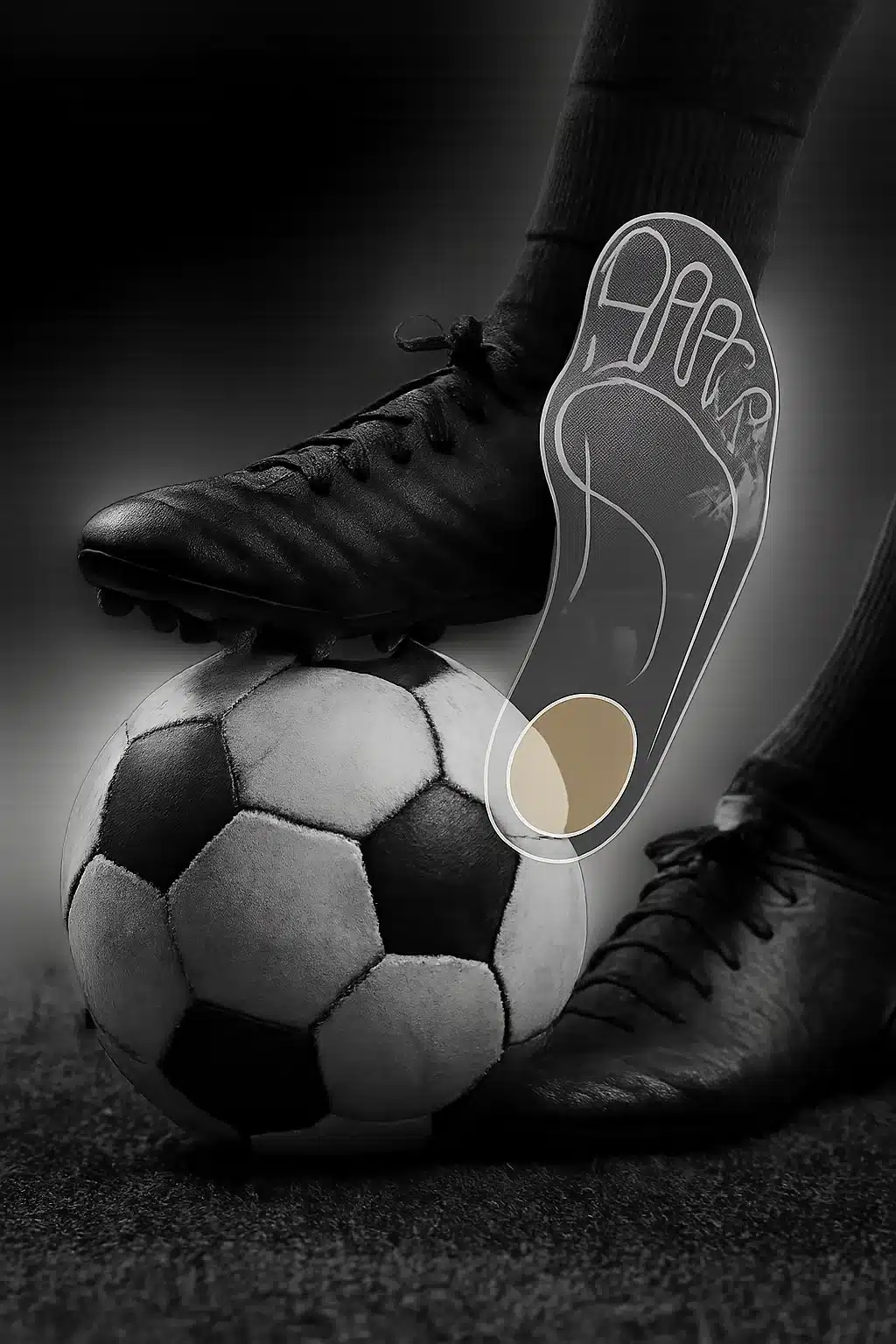
The figure-eight drill is superb for developing rhythm, balance, and dribbling consistency.
Combining Ball Control and Agile Footwork Patterns
Place two cones about 3-4 feet apart. Dribble the ball continuously around the cones in a figure-eight pattern using both feet. Alternate touches with the inside and outside of your foot.
Focus on keeping the ball within a controlled radius. The key is smooth transitions as you curve tightly around each cone without losing speed or ball control.
Variations for Different Skill Levels
Beginners can start by walking through the drill, emphasizing control. Intermediate players increase speed and reduce touching force to keep the ball near their feet. Experts try using only the weaker foot or incorporate feints and quick turns at each cone.
Try timing your figure-eight runs and aiming to shave seconds off progressively—it’s a fun way to track improvement.
Drill 4: Quick Feet Drills to Improve Reaction Time
Quick feet drills improve the lightning-fast foot turnover needed to outmaneuver opponents and react to in-game changes.
Using Reaction Balls and Stimulus-Based Exercises
One trick I’ve found valuable is using reaction balls—those small, irregularly shaped balls that bounce unpredictably. Toss one against a wall and try to catch or control it quickly. This improves footwork by forcing your brain to anticipate and adjust rapidly.
Stimulus-based footwork drills may involve a partner calling out directions (“left,” “right,” “forward”) randomly while you move your feet accordingly on the spot. This trains your brain to react immediately under pressure.
Implementing Resistance Training for Speed Enhancement
Incorporate resistance bands or weighted vests during quick feet exercises for power development. Start simple—fast foot taps on a low box or ground—and progress to more dynamic movements with resistance.
This overload builds explosive fast-twitch muscle fibers integral to quick foot movement in soccer.
Drill 5: High-Intensity Plyometric Drills for Soccer Fitness
Plyometric training bridges the gap between footwork and overall athleticism, boosting endurance, strength, and balance.
Jumping and Landing Mechanics to Boost Balance and Stability
Practice jump drills like squat jumps, lateral bounds, and tuck jumps focusing on soft, balanced landings. Keep your knees aligned with your toes and absorb impact through your legs, not your back.
Proper mechanics reduce the risk of common injuries such as ACL tears. As a soccer ball lover, keeping fit and injury-free is a priority.
Integrating Plyo Drills with Footwork for Conditioning
Combine plyometrics with footwork drills—try ladder drills followed immediately by box jumps, or lateral bounds integrated with cone weaving.
This blend enhances your soccer fitness, ensuring your footwork remains sharp even late in the game when fatigue sets in.
Customizing Footwork Drills for Midfielders and Forwards
Soccer footwork drills aren’t one-size-fits-all; tailoring your training to your position magnifies effectiveness.
Specific Agility Patterns Tailored to Position Requirements
Midfielders need rapid changes of direction and precision under pressure. Therefore, drills emphasizing tight cone weaving and quick foot taps are crucial.
Forwards focus more on explosive starts, sharp cuts, and ball control in tight spaces, making ladder and figure-eight drills combined with plyometric jumps ideal.
Focused Training for Ball Control in Tight Game Situations
In cramped areas, the ability to shield the ball and quickly adjust your foot positioning matters immensely. Use small space drills indoors or with cones closely spaced to mimic these scenarios.
Many professional players swear by these high-intensity, small-space footwork drills to maintain composure in crowded penalty boxes.
Incorporating Footwork Drills into Regular Training Sessions
Making these footwork drills a consistent part of your routine ensures continual improvement.
Building Progressive Drill Sequences for Steady Improvement
Start sessions with warm-ups, then ladder or cone drills at moderate pace, finally progressing to high-intensity plyometric drills with ball control at the end.
Progression is key—overloading intensity but balancing rest avoids burnout.
Using Video Analysis for Technique Refinement
Recording your drills is an underrated practice. Watching playback helps identify foot placement errors, body posture issues, and reaction delays.
Many mobile apps and wearable cameras now simplify this process, making video analysis accessible to all players serious about growth.
Measuring Progress: Metrics and Feedback for Footwork Mastery
Tracking your progress turns training into results.
Tracking Reaction Time, Agility, and Coordination Gains
Use stopwatch timers for ladder and cone drills, reaction time apps, or even simple counts of successful touches in dribbling exercises.
Set measurable goals like shaving 2 seconds off a drill or increasing ball touches per minute to stay motivated.
Leveraging Technology and Wearables for Performance Analysis
Wearables like GPS trackers and smart insoles offer data on foot strike patterns and movement speeds.
Though a bit of an investment, these tools elevate training by giving data-driven insights, especially for serious players and competitive teams.
Avoiding Common Mistakes in Soccer Footwork Practice
Practice smarter, not just harder.
Overtraining and Injury Prevention Tips
Footwork drills are intense on the joints—especially ankles and knees. Avoid overdoing sessions; rest days are essential.
Incorporate mobility and strengthening exercises, foam rolling, and proper footwear to reduce injury risk.
Maintaining Balance Between Speed and Control
Rushing through drills at high speed often sacrifices technique. Prioritize control first, then build speed gradually.
Remember, fast is useless if your feet aren’t in the right place at the right time.
Conclusion: Elevating Your Game through Consistent Footwork Training
Becoming a soccer ball lover means chasing mastery, and mastering footwork is fundamental. The five powerful soccer footwork drills I’ve shared—ladder, cone, figure-eight, quick feet, and plyometric drills—cover all the bases to boost agility, coordination, ball control, and reaction time.
By warming up properly, customizing your drills to your position, using technology to track progress, and avoiding common pitfalls, you’ll see measurable improvements on the pitch. Integrate these drills into your training sessions routinely, and your footwork will become sharper, faster, and more instinctive.
So, why wait? Grab your ladder, some cones, and a ball, and start practicing. Your next standout game awaits, just a drill away!
FAQs
1. What are the best soccer footwork drills for beginners?
Beginners should focus on basic ladder drills like single foot in and out and simple cone weaving without a ball. These develop foundational agility and balance before advancing to complex patterns.
2. How can I improve my reaction time with soccer footwork drills?
Incorporate stimulus-response exercises such as reaction balls and partner call-outs during quick feet drills. These force your brain and feet to react faster while maintaining control.
3. Can footwork drills help with injury prevention?
Absolutely. Footwork drills combined with plyometric training improve muscle strength, joint stability, and balance, all vital for reducing injury risk in soccer.
4. How often should I practice footwork drills to see improvement?
Consistent practice 3-4 times per week, integrated into your regular training, shows steady progress. Avoid overtraining by allowing rest days for recovery.
5. Are there specific footwork drills recommended for midfielders versus forwards?
Yes. Midfielders benefit from tight cone weaving and quick foot taps to enhance control and agility under pressure. Forwards should focus on explosive ladder drills and figure-eight dribbling to refine quick cuts and close ball handling.
Quick Takeaways / Key Points
- Soccer footwork drills develop agility, coordination, ball control, and reaction time essential for effective play.
- Proper warm-ups like dynamic stretches and plyometrics prepare muscles and joints for intensive footwork training.
- Five key drills—ladder, cone, figure-eight, quick feet, and plyometric exercises—cover all aspects of footwork mastery.
- Tailoring drills to your position maximizes practical benefits on the pitch.
- Use video analysis and wearable tech to track progress and refine technique.
- Avoid rushing drills; prioritize control before speed for sustainable skill development.
- Rest and injury prevention strategies maintain long-term training consistency.
Happy training, ball lovers! Your journey to slick, unstoppable footwork starts right here—dive into these drills and watch your game soar like never before.