

If you love the beautiful game as much as I do, you know that endurance is the backbone of any top-level soccer performance. Soccer isn’t just about flashy footwork or precision passing—it demands stamina, strength, and relentless energy to maintain pace, outlast opponents, and make game-changing plays all the way to the final whistle. That’s why soccer endurance training is absolutely essential for anyone eager to elevate their game and sustain high-intensity efforts across 90 minutes or more.
In this article, I’m going to take you through five powerful soccer endurance training tips that cover everything from understanding how your aerobic capacity and anaerobic threshold influence your game to designing a tailored training program with soccer-specific drills and smart nutrition strategies. We’ll unpack why blending aerobic and anaerobic training matters, explore the benefits of high-intensity interval training (HIIT), and learn how to customize your conditioning based on your position on the field. By the end, you’ll have a solid roadmap to boost endurance and dominate on the pitch, whether you’re a beginner or a seasoned player.
Let’s dive deep into the science, practical training methods, and recovery tips every soccer ball lover needs for sustained stamina and game-day success.
Understanding the Unique Endurance Demands of Soccer
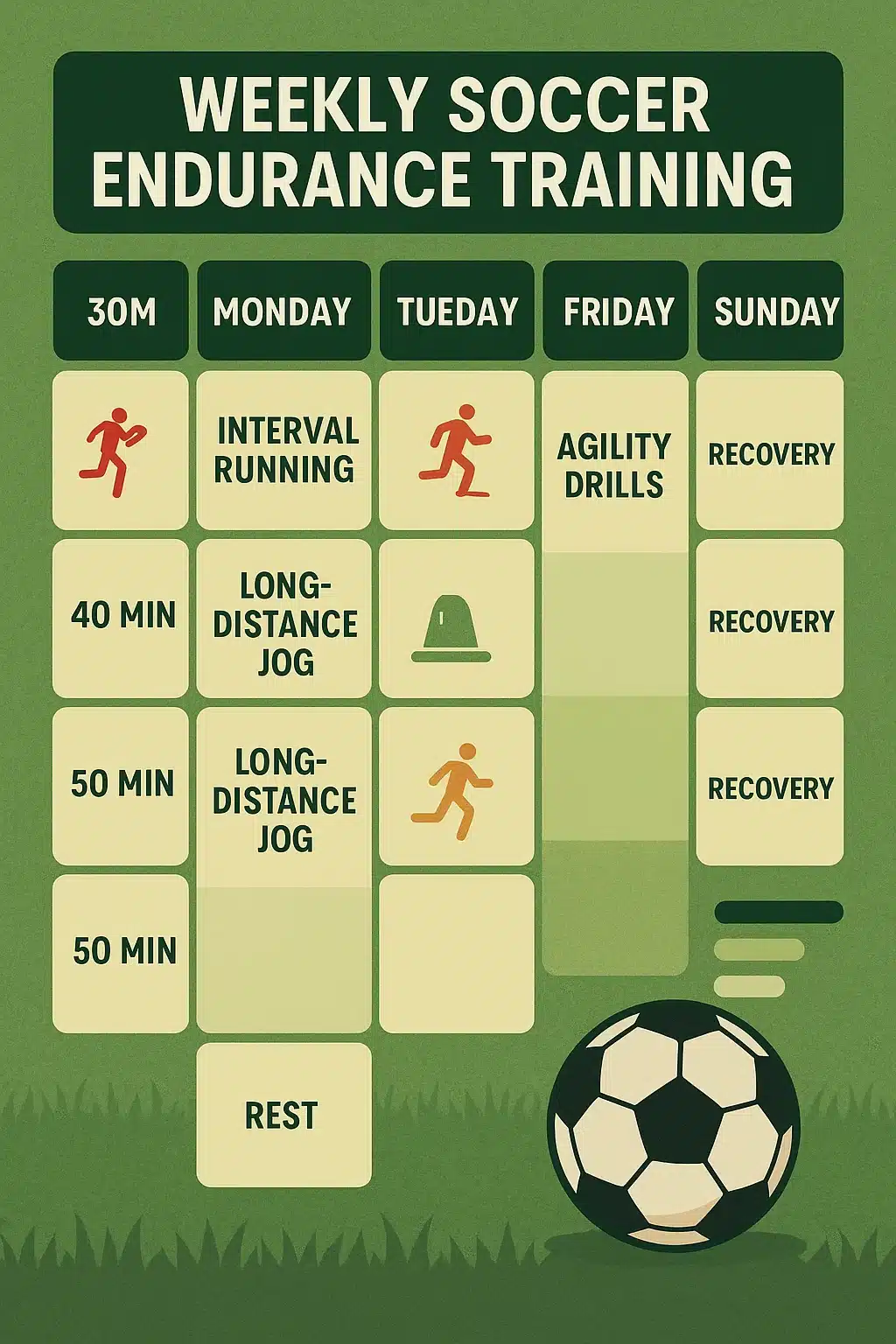
When it comes to soccer endurance training, grasping the physiological demands of the sport is the cornerstone of effective preparation. Soccer is a dynamic blend of short bursts of explosive speed, aerobic recovery, constant movement, and tactical positioning. Unlike pure endurance sports like marathon running, soccer requires both aerobic and anaerobic energy systems to work together seamlessly.
The Role of Aerobic Capacity and Anaerobic Threshold in Soccer
Aerobic capacity refers to your body’s ability to efficiently use oxygen during prolonged exercise. This is your long-lasting energy system, helping you keep moving throughout the 90 minutes. During a match, players rely heavily on aerobic metabolism for recovery between sprints and sustained running around the field.
On the flip side, the anaerobic threshold marks the point where your body shifts from mainly aerobic energy production to anaerobic processes—where it produces energy without oxygen, resulting in quicker fatigue due to lactic acid buildup. Sprinter-like bursts to chase down the ball or outpace an opponent depend on this anaerobic system. Training to raise your anaerobic threshold means you can perform high-intensity actions longer without getting winded.
Studies show that elite soccer players usually possess a well-developed aerobic base combined with a high anaerobic threshold, enabling them to recover quickly and perform repeated sprints effectively. It’s like being able to switch gears between marathon runner and sprinter throughout the game.
How VO₂max Influences Player Performance and Distance Covered
VO₂max is basically the gold standard measure of cardiovascular fitness. It indicates how much oxygen your body can consume during intense exercise — the higher your VO₂max, the better your endurance capacity.
Research confirms a strong correlation between VO₂max levels and distance covered in professional soccer games. Midfielders, for instance, often cover between 10 and 13 kilometers per match, much of it at moderate to high intensity, demanding a high VO₂max. Players with superior aerobic fitness maintain sharpness and nitric oxide delivery to muscles, delaying fatigue and maintaining focus.
To put it simply, the better your VO₂max, the longer and harder you can go. Knowing this explains why soccer endurance training often incorporates exercises designed to progressively boost VO₂max. It’s not just about running longer — it’s about running smarter and recovering faster on the pitch.
Designing a Soccer Endurance Training Program That Works
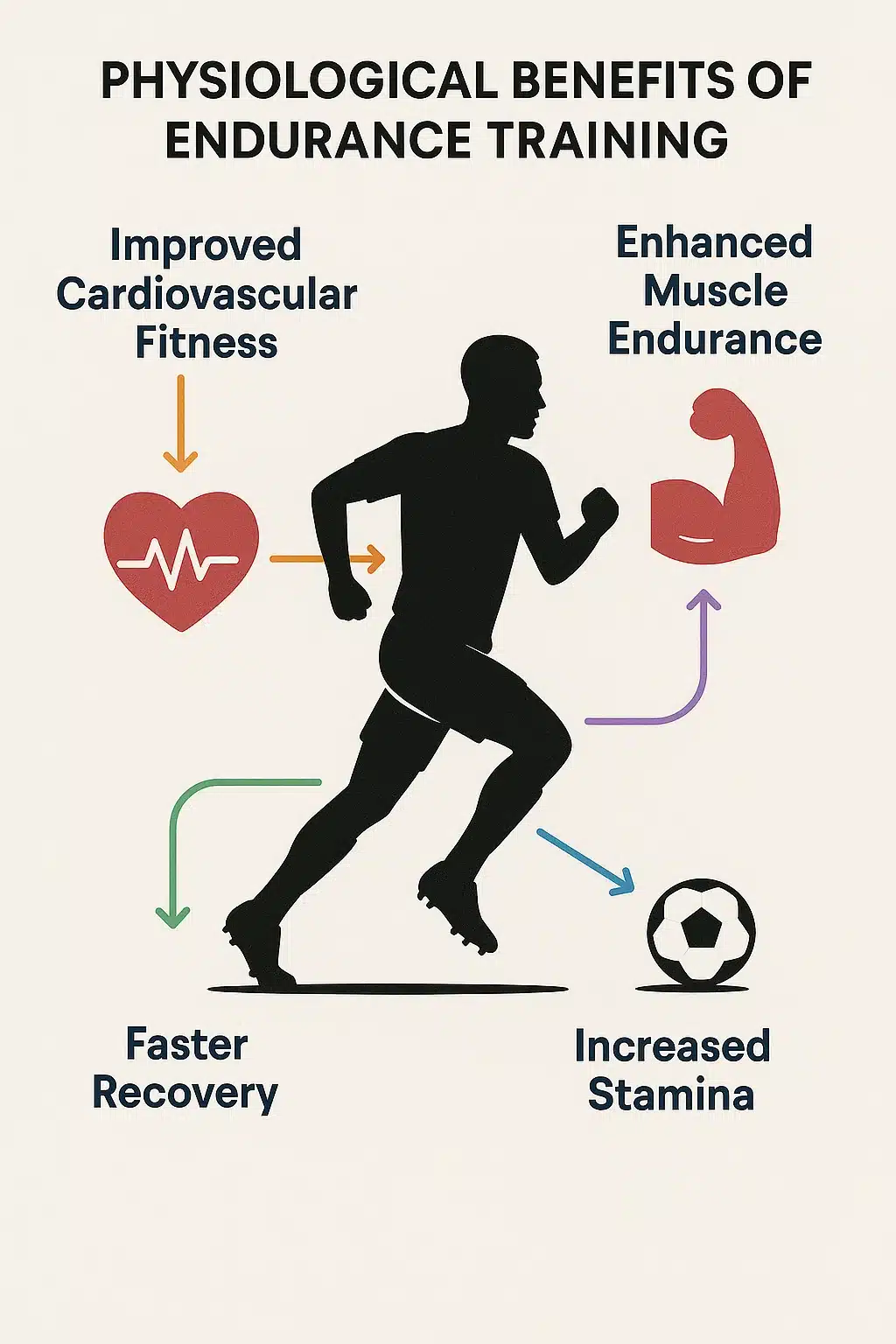
Building a killer soccer endurance training program goes beyond logging miles on a treadmill. It requires a strategic blend of aerobic and anaerobic training, customized drills, and gradual progression to boost fitness sustainably while preventing burnout or injury.
Balancing Aerobic and Anaerobic Endurance: Why Both Matter
I can’t stress enough how critical it is to hybridize your training. Pure aerobic work like long steady runs gives you that stamina base, but without anaerobic conditioning, you won’t be able to execute critical explosive actions like sprints or quick directional changes effectively.
Aerobic endurance provides your body the ability to use oxygen efficiently during low to moderate intensity activity, which is the bulk of a soccer game. But anaerobic training sharpens your ability to perform high-intensity bursts when it counts—like winning a one-on-one or breaking through the defense.
Let me break this down: think of aerobic exercise as building a strong engine and anaerobic training as upgrading the turbocharger. Both are needed to drive top performance on the field.
Aerobic Training Techniques: Long-Distance Runs and Fartlek Sessions
Long-distance running remains a staple—it develops your heart and lungs and improves oxygen delivery to muscles. Aim for 30–60 minutes of steady-state runs 2–3 times a week.
But just running steady won’t cut it. Enter fartlek training—a Swedish term meaning “speed play.” This technique mixes steady jogging with random bursts of faster running or sprinting, mimicking the unpredictable intensity shifts in soccer. For example, after warming up, I’ll sprint hard for 30 seconds, jog for 90 seconds, then repeat for 20–30 minutes. It’s fun and game-relevant.
Fartlek’s combination of aerobic and anaerobic effort helps increase your anaerobic threshold and VO₂max simultaneously.
Anaerobic Training Techniques: Sprint Intervals and Shuttle Runs
Sprint interval training is a game-changer. It usually consists of short, intense sprints lasting 10 to 30 seconds followed by active recovery periods. Running 6–10 sprints with complete rest or light jogging in between simulates high-intensity bursts repeated during games.
Shuttle runs—where you sprint back and forth between set points—improve speed endurance and change of direction, very useful in tight match situations.
Pro tip: integrate sprint intervals twice a week but allow at least 48 hours of recovery to maximize gains and avoid overtraining.
Incorporating Progressive Conditioning for Sustainable Improvement
Progressive conditioning means gradually increasing your training load—whether distance, intensity, or volume—over time. Jumping into intense sessions too quickly can cause injuries or plateau.
Use the principle of “10% rule”: increase your weekly training volume or intensity by no more than 10% per week. This steady ramp-up helps your cardiovascular system, muscles, and tendons adapt safely.
For example, start with 3 long runs a week of 20 minutes, then increase to 25 or 30 minutes the following week, combined with low volume sprint sessions. Track your results and adjust accordingly.
Integrating Soccer-Specific Drills for Effective Endurance Training
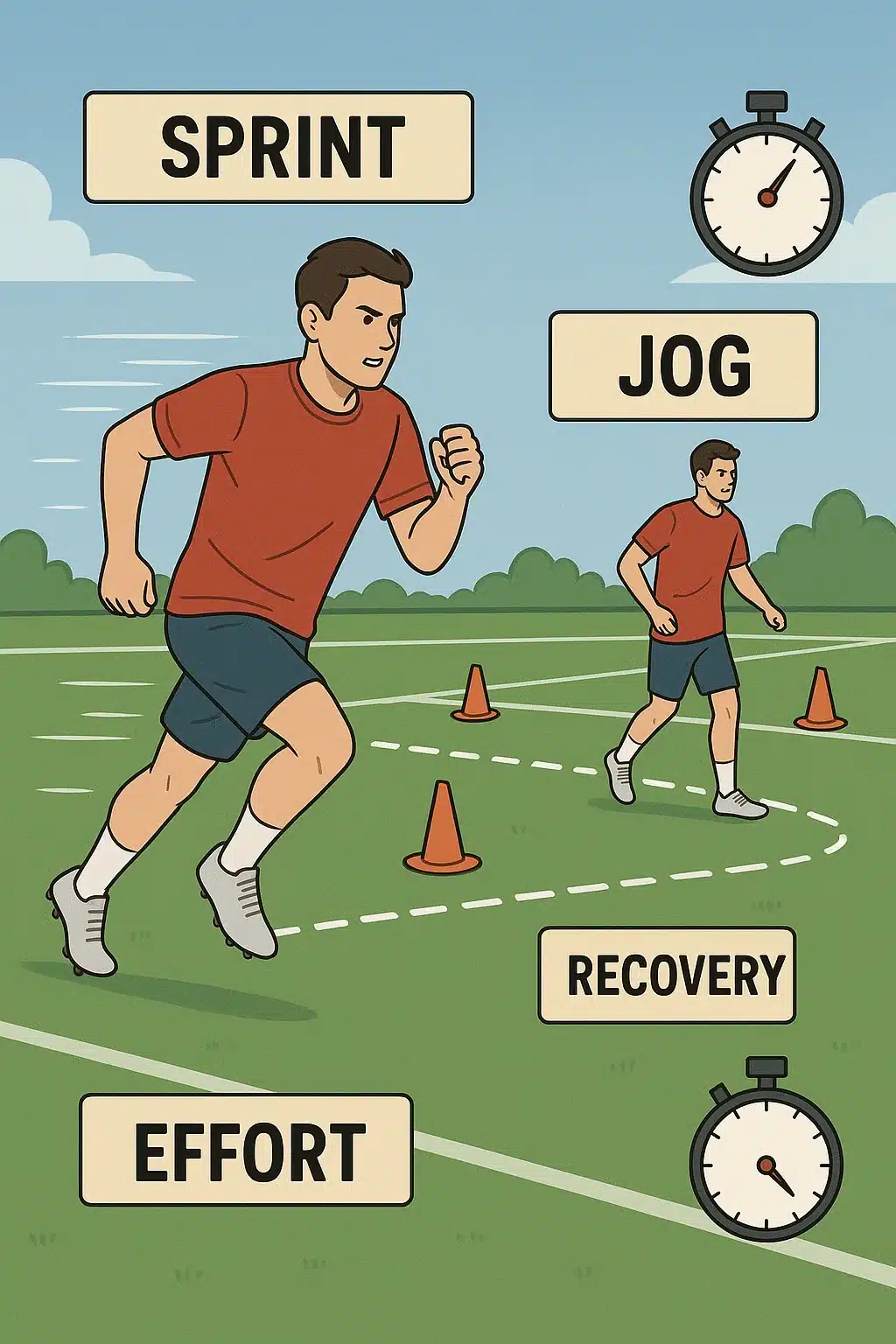
Nothing beats incorporating the ball into your endurance work to make training both skill-enhancing and physically demanding. Soccer-specific drills foster coordination, tactical awareness, and endurance in one package.
Using Small-Sided Games to Enhance Stamina and Tactical Awareness
Small-sided games (SSGs), played on smaller pitches with fewer players, are terrific for conditioning. SSGs naturally increase the intensity and touches on the ball, forcing players to engage repeatedly in high-intensity actions like sprinting, turning, and tackling.
For example, 4v4 or 5v5 games on a reduced field encourage constant movement and decision-making, which develop soccer endurance in a real-world context. Coaches often use 5-10 minute intervals of SSGs with short rests for realistic sport-specific conditioning.
Since SSGs mimic actual game demands, they effectively raise both aerobic and anaerobic capacity while sharpening your tactical mind.
Soccer Endurance Training Drills with Ball Control for Skill and Fitness
Pairing cardiovascular training with technical skills is a surefire way to improve endurance without sacrificing ball mastery. One drill I swear by is dribbling shuttle runs. Set up cones 10–20 meters apart and dribble hard from one cone to the next, maintaining close control at high speed.
Another favorite is “1v1 endurance challenges,” where you sprint, dribble, and defend repeatedly within a given time frame, pushing your stamina and technique at once.
These drills not only build your soccer-specific endurance but also enhance your ball control under fatigue—an essential asset during intense match moments.
Agility and Speed Endurance Drills to Boost Game-Ready Fitness
Endurance isn’t just about running long distances; it’s also about being explosive and agile repeatedly under pressure. Incorporate ladder drills, cone zigzags, and plyometric exercises (like bounding and jump squats) to improve your neuromuscular coordination and speed endurance.
Pair these with short sprint repeats for a well-rounded conditioning routine. For instance, completing quick-feet ladder drills followed immediately by a 20-meter sprint improves your ability to recover rapidly between explosive efforts—a must in soccer’s stop-start pace.
Leveraging High-Intensity Interval Training (HIIT) in Your Routine
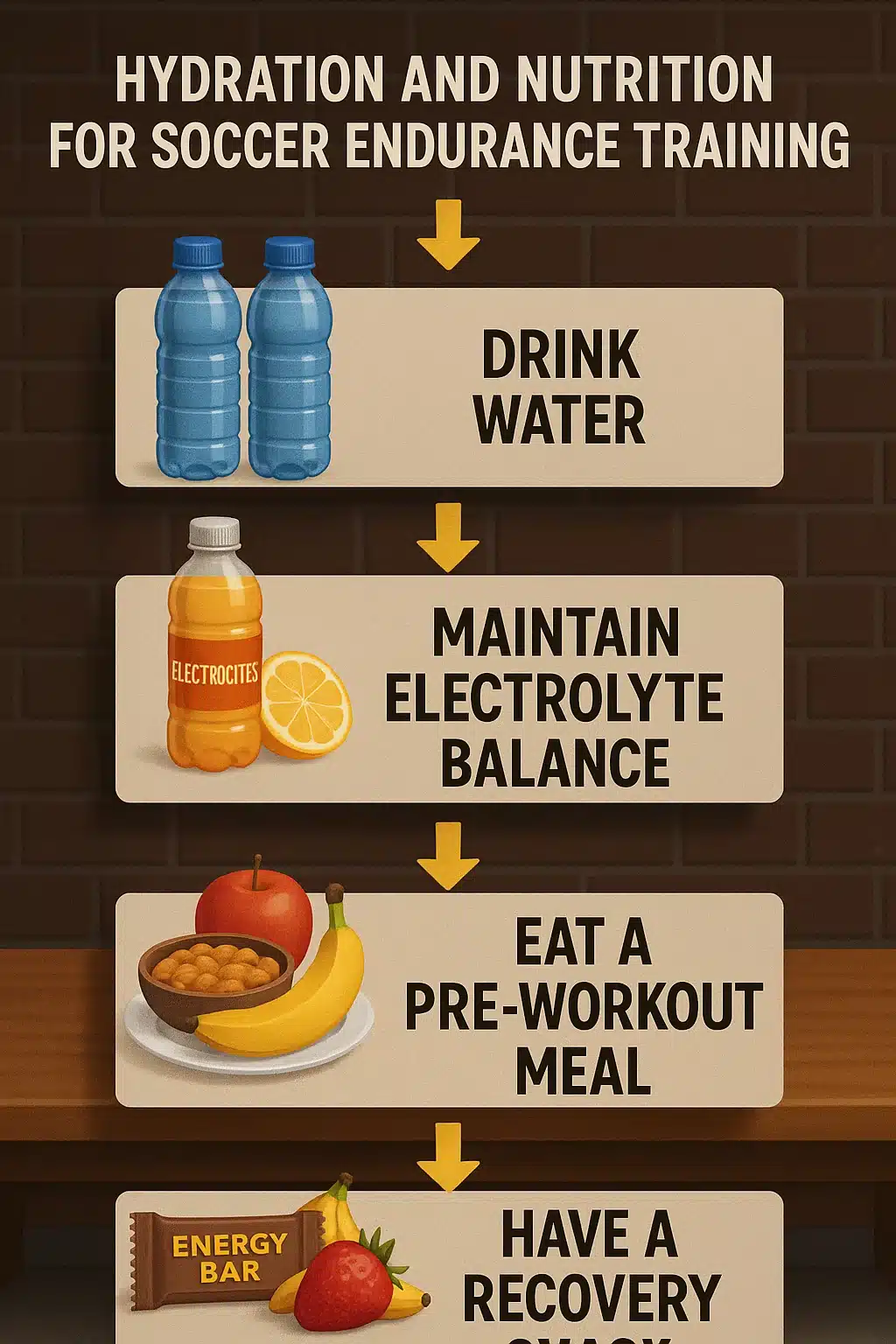
High-Intensity Interval Training (HIIT) is a powerhouse strategy in modern soccer endurance training. It involves alternating brief periods of intense work with recovery, maximizing fitness gains in less time.
The Science Behind HIIT for Soccer Endurance and Recovery Benefits
Research shows HIIT workouts increase VO₂max, anaerobic capacity, and cardiovascular health more efficiently than traditional endurance training. HIIT pushes your body to its limits during work intervals, then allows partial recovery, training your recovery processes to become faster and more efficient.
Moreover, HIIT enhances mitochondrial function and improves lactic acid clearance, reducing fatigue during games.
For soccer, HIIT replicates the intense sprint-and-recover nature of match play, leading to sustained on-field performance and quicker post-exercise recovery.
Sample HIIT Workouts Tailored for Soccer Players
Here’s a classic HIIT session I often recommend:
- Warm-up: 10 minutes light jogging and dynamic stretching
- Workout (repeat 6–8 rounds):
– Sprint 30 seconds at 90% max effort
– Jog or walk 90 seconds for recovery - Cool-down: 10 minutes easy jogging and static stretches
Another variation includes shuttle sprints:
- Sprint 20 meters and back (one shuttle) 8 times with 30 seconds rest between sets, completing 3 sets with 3 minutes rest in between.
Both sessions target cardiovascular endurance and speed endurance, critical components for soccer players.
Nutrition and Recovery Strategies to Support Endurance Training
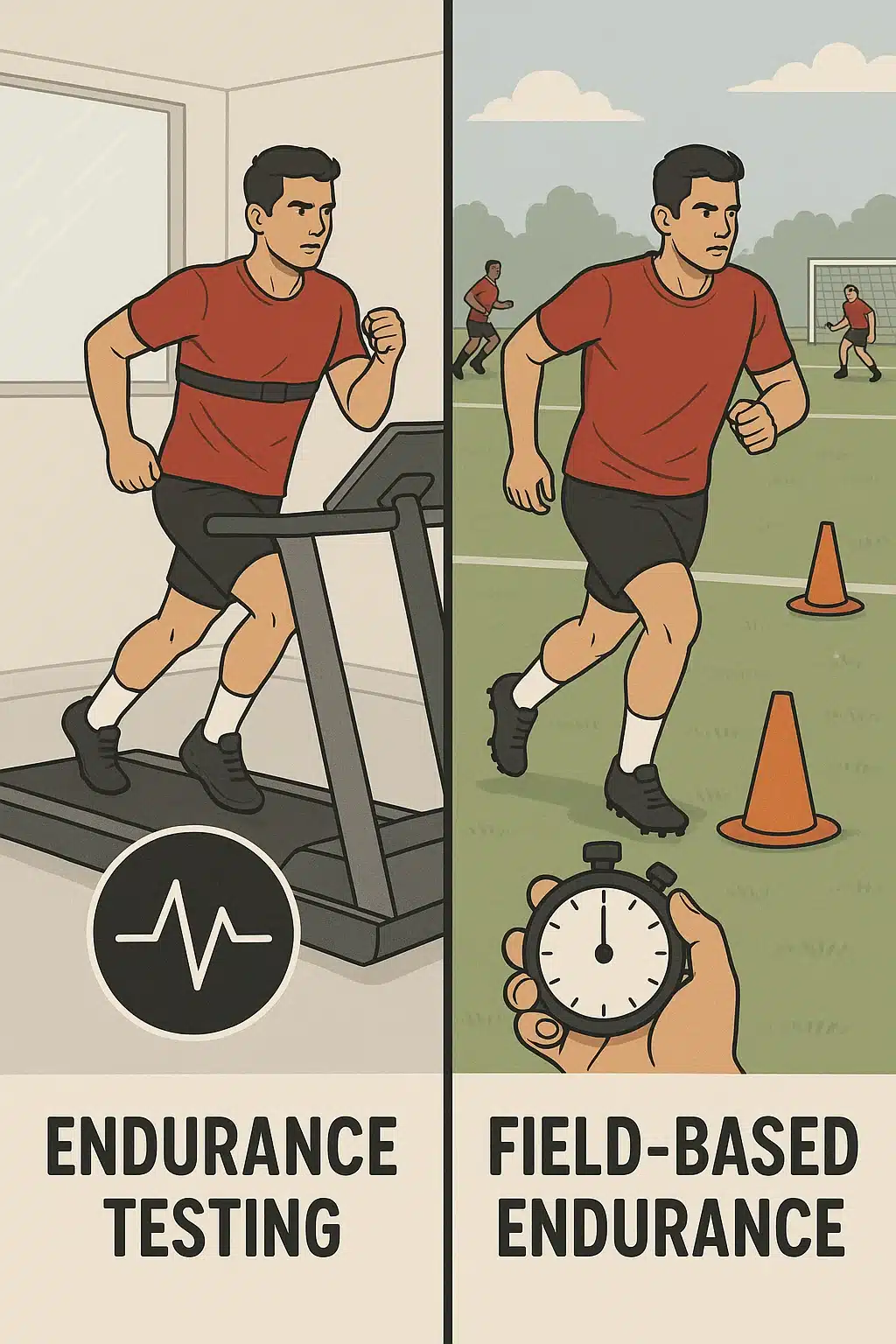
A training regimen without proper nutrition and recovery is like trying to play in a rainstorm without boots—you’re bound to slip up and lose momentum.
Optimizing Sports Nutrition for Sustained Energy and Muscle Repair
Soccer endurance training depletes glycogen and muscle tissues, so fueling properly is non-negotiable. Focus on:
- Carbohydrates: Your primary energy source. Whole grains, fruits, and veggies replenish glycogen stores. Aim for 5–7 grams of carbs per kg of body weight daily for endurance players.
- Proteins: Essential for muscle repair. Include lean meats, dairy, legumes, and nuts. Post-workout intake of 20-30 grams of protein jumpstarts recovery.
- Hydration: Soccer players lose significant fluids through sweat. Maintain hydration before, during, and after training with water and electrolyte drinks if sessions last more than an hour.
- Micronutrients: Iron, calcium, magnesium, and vitamins support overall energy metabolism and recovery.
Avoid processed foods and sugary drinks that cause energy crashes.
Effective Recovery Techniques to Maximize Training Gains
Don’t underestimate recovery. Techniques like active recovery (light jogging or cycling the day after hard sessions), foam rolling, stretching, and adequate sleep (7-9 hours) are crucial.
Cold water immersion and compression garments have mixed evidence but can provide subjective relief.
Scheduling at least one full rest day per week helps prevent overtraining and injury, keeping you fresh and ready to perform.
Customizing Endurance Training for Different Player Positions
Not all soccer players have the same endurance demands. Tailoring your training to your role on the field optimizes performance.
Training Focus for Midfielders: Endurance and Strategic Movement
Midfielders cover the most ground in a match—typically around 10 to 13 kilometers—and require both exceptional aerobic conditioning and tactical stamina. Their training should emphasize long aerobic runs, fartlek sessions, and small-sided games to simulate constant movement with brief bursts.
Incorporate shuttle runs and agility drills to mirror the multi-directional sprints common in midfield play.
Endurance Priorities for Forwards and Defenders
Forwards need explosive speed endurance to make attacking runs and recover quickly. High-intensity sprint intervals, ball control drills under fatigue, and HIIT sessions suit this role best.
Defenders prioritize strength and anaerobic endurance for quick reactions, duels, and short sprints. Plyometric exercises, shuttle runs, and sport-specific recovery drills enhance these qualities.
Position-specific training honed to your role on the pitch ensures endurance improvements translate directly to better match performance.
Monitoring Progress: Using Metrics to Track Endurance Gains
Keeping track of your progress provides motivation and guides training adjustments for continuous improvement.
Heart Rate Zones and VO₂max Testing for Tailored Training Load
Monitoring heart rate during training helps you stay in correct zones—whether it’s aerobic (60-80% max heart rate) or anaerobic (80-95%). This ensures you’re training at the right intensity to improve endurance without burning out.
Many soccer teams now use wearable GPS and heart rate monitors to quantify exertion. VO₂max testing, available at many sports clinics, gives a baseline and tracks improvements over time.
Analyzing Game Performance to Refine Endurance Training Plans
Reviewing match stats like distance covered, sprint frequency, and recovery times helps identify endurance strengths and weaknesses. Video analysis coupled with player GPS data pinpoints areas to focus on in training—for example, if your sprint count drops in the last 20 minutes, anaerobic endurance drills will be essential.
FAQs: Soccer Endurance Training
1. What are the best soccer endurance training drills for beginners?
Begin with steady-state runs combined with light fartlek sessions to build aerobic capacity. Incorporate dribbling drills with moderate pace and small-sided games for sport-specific endurance.
2. How can youth players improve soccer endurance safely?
Youth players should focus on gradual conditioning using short sprint intervals, fun small-sided games, and recovery days. Emphasizing technique alongside endurance prevents burnout and injuries.
3. Can soccer-specific endurance training workouts be done at home?
Absolutely! Fartlek runs in your neighborhood, shuttle sprints in a backyard or park, and ball control drills like dribbling cones can all be adapted for home-based soccer endurance training.
4. How does incorporating HIIT into soccer endurance training help?
HIIT improves both aerobic and anaerobic fitness, mimicking game intensity and aiding faster recovery, making you stronger and quicker during matches.
5. What nutrition tips support soccer endurance training?
Focus on balanced meals rich in complex carbs, lean protein, and hydration. Time nutrition around workouts to fuel performance and speed muscle recovery.
Quick Takeaways
- Soccer endurance training requires a balanced blend of aerobic and anaerobic exercises to replicate game demands.
- VO₂max and anaerobic threshold are key fitness markers that influence soccer performance.
- Incorporating soccer-specific drills, like small-sided games and ball control workouts, enhances fitness and skill together.
- HIIT is a time-efficient and effective training method to improve endurance and recovery for soccer players.
- Proper nutrition and recovery strategies are essential to sustain endurance gains and prevent injury.
- Training should be customized by position to maximize on-field effectiveness.
- Monitoring heart rate zones and analyzing match data helps refine endurance training plans.
Conclusion
For every soccer ball lover out there, embracing soccer endurance training is the pathway to turning potential into peak performance. It’s not just about running more—it’s about running smarter, combining science-backed aerobic and anaerobic methods, honing skills with soccer-specific drills, and fueling your body to recover and rebuild stronger. Whether you’re a midfielder smashing mile after mile, a forward chasing every dash to goal, or a defender guarding every inch of turf, the tailored endurance training tips I’ve shared here will help you outlast opponents and stay sharp all game long.
So lace up, get moving, and bring these endurance strategies into your routine. Notice the energy, speed, and recovery improvements you gain—not just in training, but when the pressure’s on and the crowd roars. Ready to kick your soccer endurance up a notch? Let’s get started and make every minute on the pitch count!