

When it comes to soccer, one skill can truly set you apart on the field: dribbling. If you’ve ever wondered how to dribble soccer ball like a pro, you’re in the right place. Dribbling isn’t just about controlling the ball—it’s about weaving through defenders, creating space, and dictating the pace of the game. Whether you’re a passionate soccer ball lover looking to sharpen your foot skills or a budding player eager to master the art of ball control, this comprehensive guide will walk you through proven methods to elevate your dribbling game.
From the fundamentals of footwork drills to advanced techniques like the seal dribble, we’ll break down everything you need. Expect practical tips on ambidextrous dribbling, exercises that build agility and coordination, and strategies for keeping your head up while maintaining control. Plus, you’ll find ways to practice at home and incorporate these skills into real game situations. So lace up, get ready to dive deep, and let’s kick off your journey toward dribbling excellence!
Understanding the Basics of Soccer Ball Dribbling
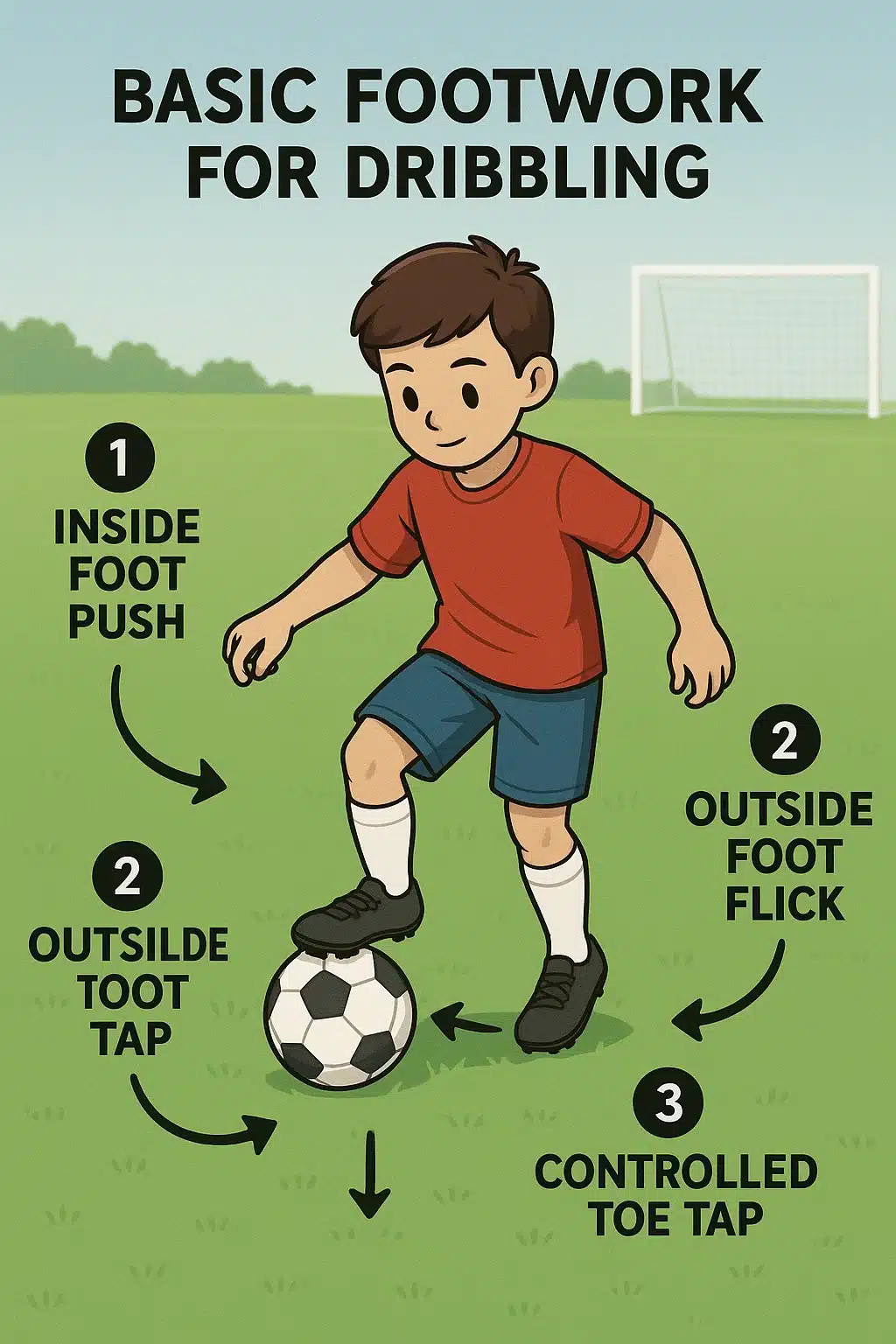
Before rushing onto the pitch with fancy tricks, it’s vital to build a rock-solid foundation. At its core, dribbling is the ability to control the ball while moving, adjusting to changing situations seamlessly. It requires a mix of precise footwork, keen spatial awareness, balance, and confidence. Let’s unpack the basics starting with the importance of ball control and footwork drills.
The Importance of Ball Control and Footwork Drills
Ball control essentially means keeping the soccer ball as close to your feet as possible while you move. When I began playing, I realized quickly: having speed without control doesn’t get you far on the field. Good control puts you in charge.
To improve ball control, focus on simple but effective footwork drills regularly. For instance:
- Toe Taps: Lightly tap the top of the ball alternately with each foot while standing still. This drill improves foot speed, sharpness, and touch.
- Inside-Outside Touches: Running slowly forward, push the ball with the inside of your foot, then roll it with the outside part of the same foot. This fluid movement builds agility and helps with quick directional changes.
- Pull Back: Step on the ball with the sole of one foot, then pull it back behind you, turning away from imaginary defenders.
These drills train your brain and feet to synchronize and develop what coaches call ‘muscle memory’. Practicing for as little as 15 minutes daily can lead to noticeable improvement in just a few weeks.
Mastering Inside and Outside Foot Touch Techniques
The inside and outside of your feet are your best friends when it comes to controlling the soccer ball. Many beginners tend to dribble mostly with one foot or with the top part of the foot, but pros know it’s about fluidity and using every part of the foot available.
- Inside Foot Dribbling: This technique involves pushing the ball gently side to side using the flat area on the inside of your foot. It provides better control and is ideal for short, precise touches.
- Outside Foot Dribbling: Using the outside edge of the foot can help in deceiving defenders because it allows you to move the ball quickly in unexpected directions.
For example, when I’m facing a defender, I mix both inside and outside touches to keep the ball “alive” and unpredictable. Practice by setting a straight line on the grass or cones and dribbling the ball back and forth using alternate touches. This exercise builds comfort and confidence.
Locking the Ankle and Using the Laces for Speed Dribbling
When speed is essential, controlling the ball solely with inside and outside touches is too slow. This is where locking the ankle and dribbling with the laces (the top of your foot) comes into play.
Locking your ankle means stabilizing your foot so it becomes firm, almost like a solid paddle to push the ball forward. This technique is crucial for maintaining control at high speeds. For instance:
- When sprinting, focus on keeping your ankle stiff and your foot slightly pointed down.
- Lightly strike the ball with the laces to propel it forward—just enough to keep it close.
This method allows you to cover ground quickly while retaining control. Pro players like Cristiano Ronaldo and Kylian Mbappé often use this technique during counterattacks. To get this down, practice dribbling across the field at increasing speeds while focusing on locking your ankle and making firm laces touches.
Developing Ambidextrous Dribbling Skills
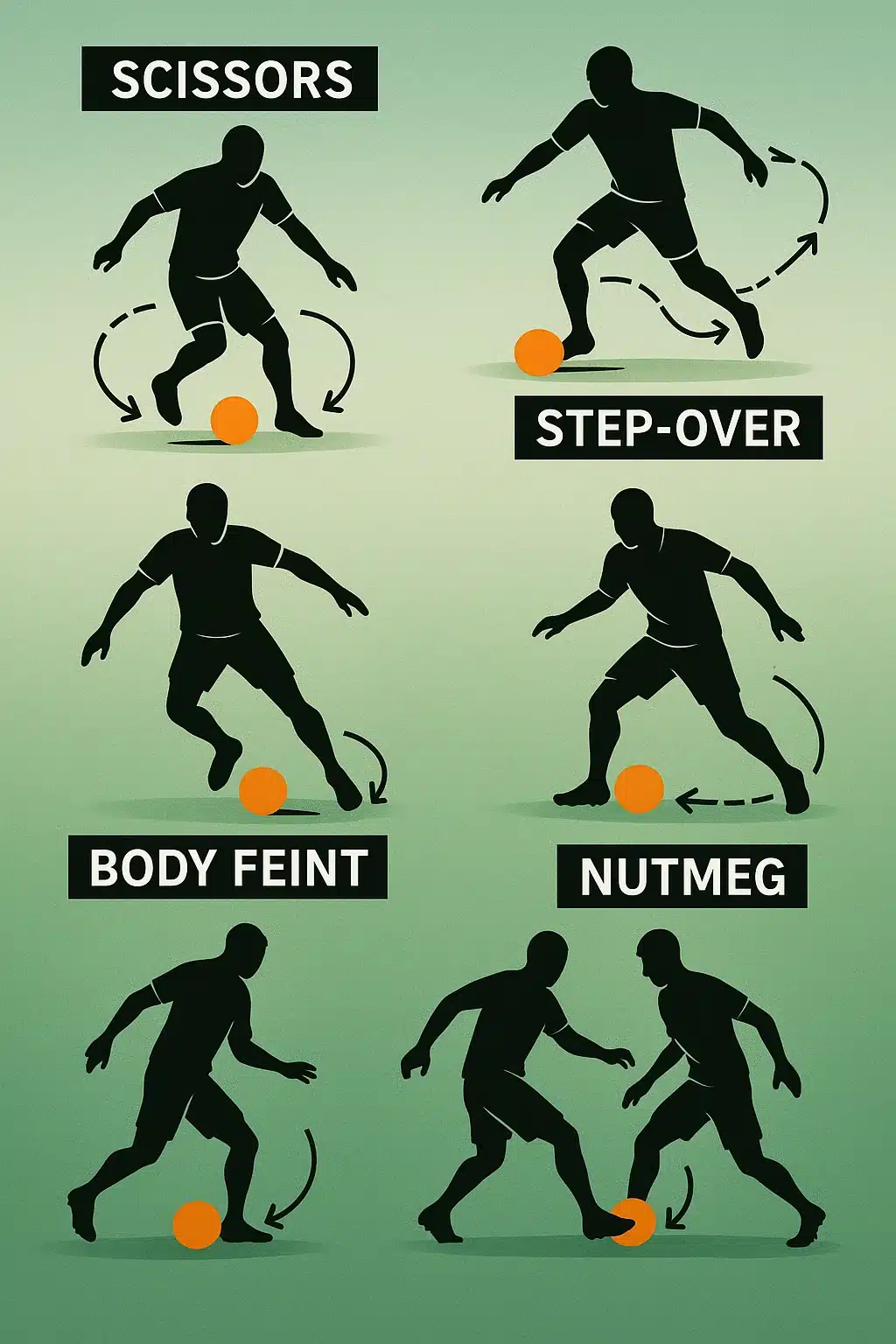
One hallmark of expert dribblers is their ability to use both feet equally well. This ability not only improves versatility but also makes you a nightmare to mark. Let’s look at beginner tips and exercises that will help you master dribbling a soccer ball with both feet.
Beginner Tips for Dribbling Soccer Ball with Both Feet
Start slow and be patient. Many players favor their dominant foot and neglect the other, but that streak has to end if you want to play like the pros. Here’s how to get going:
- Alternate feet drills: When practicing foot taps or cone drills, consciously use your weaker foot.
- Wall passes: Kick the ball against a wall using your weaker foot, receiving and controlling the rebound.
- Simple juggling: Use both feet alternately to keep the ball in the air, boosting touch and familiarity.
From my experience, these drills feel awkward at first but become smoother with consistency. Dedicate at least half your dribbling practice time to your weaker foot, and soon enough, your confidence will skyrocket.
Exercises to Improve Coordination and Balance for Both Feet
Improving ambidextrous dribbling isn’t just about the feet—your entire body should be in sync. Balance and coordination play critical roles.
Here are some effective exercises:
- Single-Leg Hops: Hop on one leg for 30 seconds, switch, then progress to hopping over low cones or obstacles.
- Ladder Drills: Using an agility ladder, do side steps, hops, and quick feet drills to boost foot speed and neural coordination.
- Balance Board: Use a wobble or balance board to strengthen ankle stability and proprioception, which helps control the ball at speed.
Incorporating these exercises alongside ball drills will dramatically improve your control and ability to dribble with both feet on any terrain.
Advanced Ball Handling: Dribbling in Tight Spaces and Under Pressure
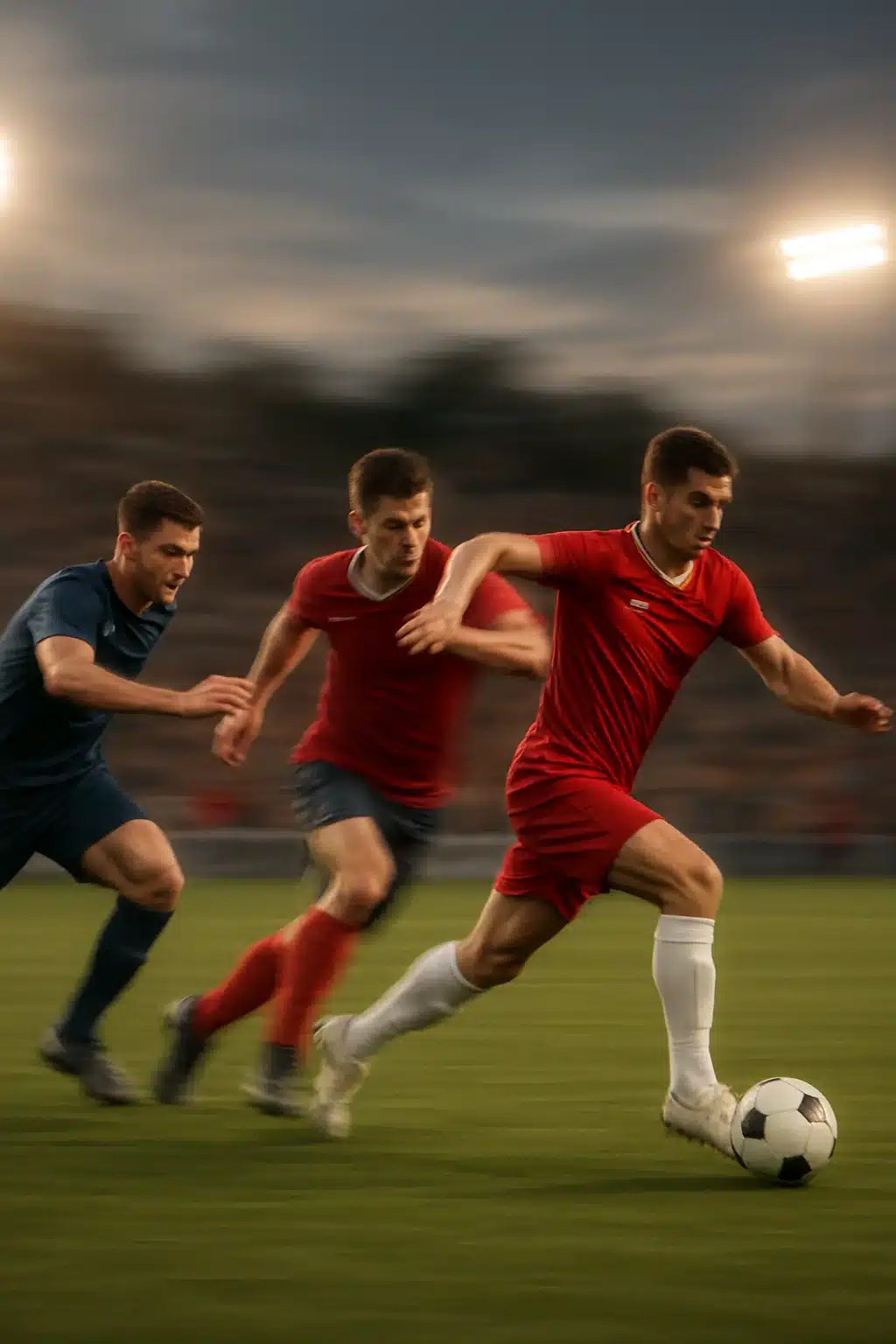
So you’ve got the basics down and can dribble smoothly around cones. But what about when you’re squeezed by defenders or playing in cramped spaces? Mastering dribbling under pressure and close control is the real game-changer.
Techniques to Maintain Close Control and Spatial Awareness
Close control means keeping the ball within a small radius of your feet, ensuring it’s almost glued to you. Here’s how to improve that:
- Micro touches: Use quick, tiny taps on the ball rather than big kicks. It prevents defenders from stealing it.
- Body shielding: Angle your body between the defender and the ball while dribbling.
- Eye movement: Even with the ball close, use peripheral vision to track defenders and teammates.
Practicing drills where you dribble inside a 3×3 meter square simulates tight space situations. Add passive pressure from a training partner to elevate realism. I’ve found this kind of practice sharpens decision-making and boosts confidence for real matches.
Defensive Pressure Adaptations and Game Situational Drills
When opponents close in, it’s easy to panic and lose the ball. Learning how to adapt is crucial.
Some tips include:
- Use feints and body fakes: Small shoulder drops or fake passes can freeze defenders momentarily.
- Quick turns: Master the Cruyff turn or pullbacks to change direction on a dime.
- Shield and pass quickly: After beating a defender, quickly find a passing option to relieve pressure.
Game situational drills where defenders actively apply pressure during scrimmages give your brain the muscle memory needed for quick reactions. Including this in practice prevents freeze-ups during critical moments.
Incorporating Cone and Agility Drills to Enhance Dribbling Speed and Precision
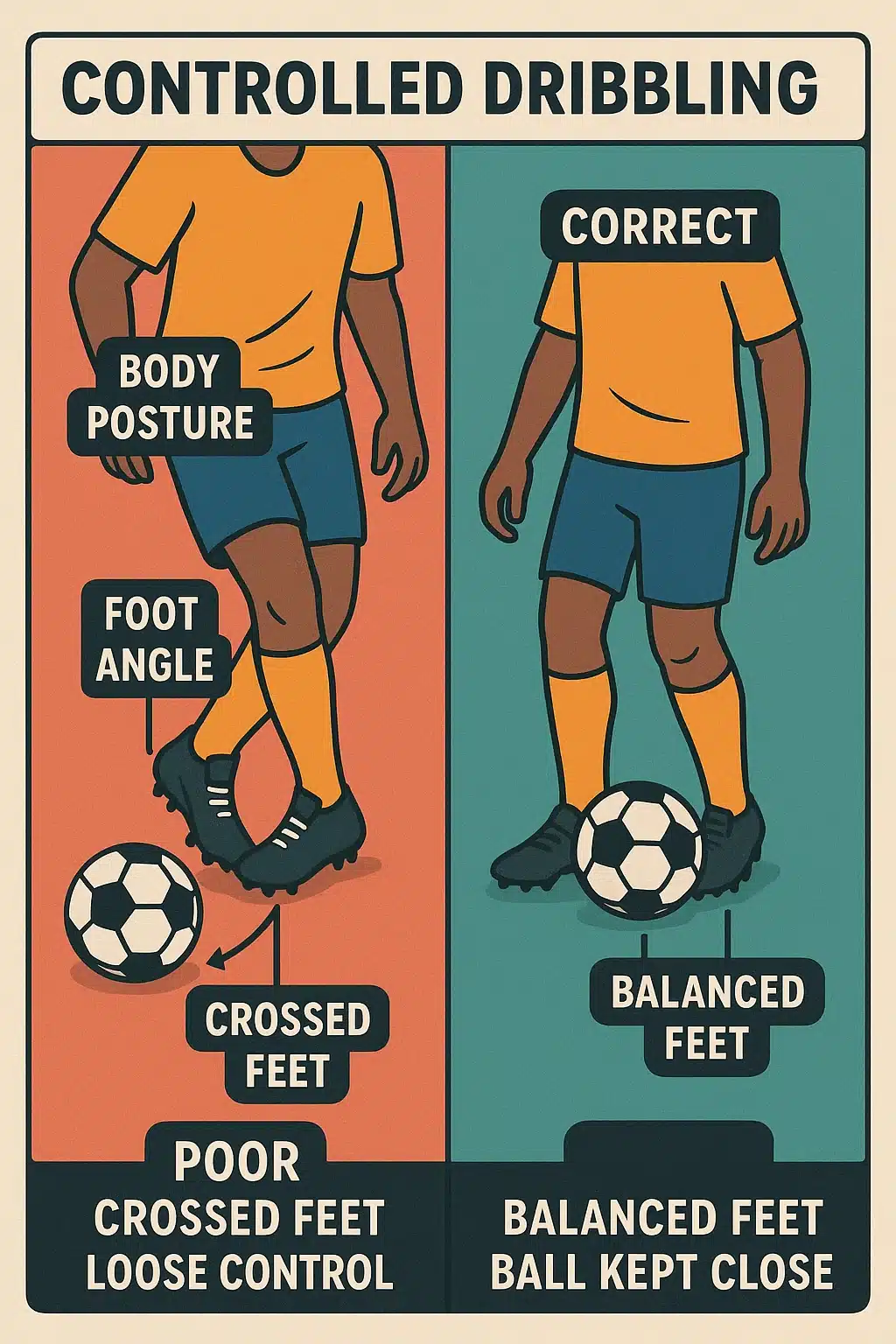
Dribbling at pace requires not only control but agility and sharp footwork. Cone drills are fantastic tools here.
Effective Cone Drills for Changing Direction and Improving Foot Skills
Here are some drills to add to your repertoire:
- Slalom Dribbling: Set up cones in a straight line 50 cm apart and dribble the ball weaving through them using inside and outside touches.
- Zigzag Cone Drill: Arrange cones in a zigzag pattern. Shift rhythm as you navigate—slow in tight curves and accelerate on straight runs.
- Box Drill: Place cones to form a square and dribble around the perimeter, changing direction at each corner with a quick touch.
These drills build the muscle memory you need for lightning-fast directional changes. Keeping your ball close while manipulating it around cones mimics sidestepping defenders during a game.
Agility Training to Boost Balance, Rhythm, and Coordination
Agility training isn’t just about foot speed; it’s about whole-body coordination. Ladder drills, short sprints with direction changes, and plyometric exercises like box jumps or side bounds improve your balance and rhythm.
For example, integrating treadmill balance sessions or dance-inspired foot sequences can fine-tune neuromuscular connections. Combine these off-ball tactics with ball drills for a comprehensive skill set.
How to Dribble Soccer Ball While Keeping Your Head Up
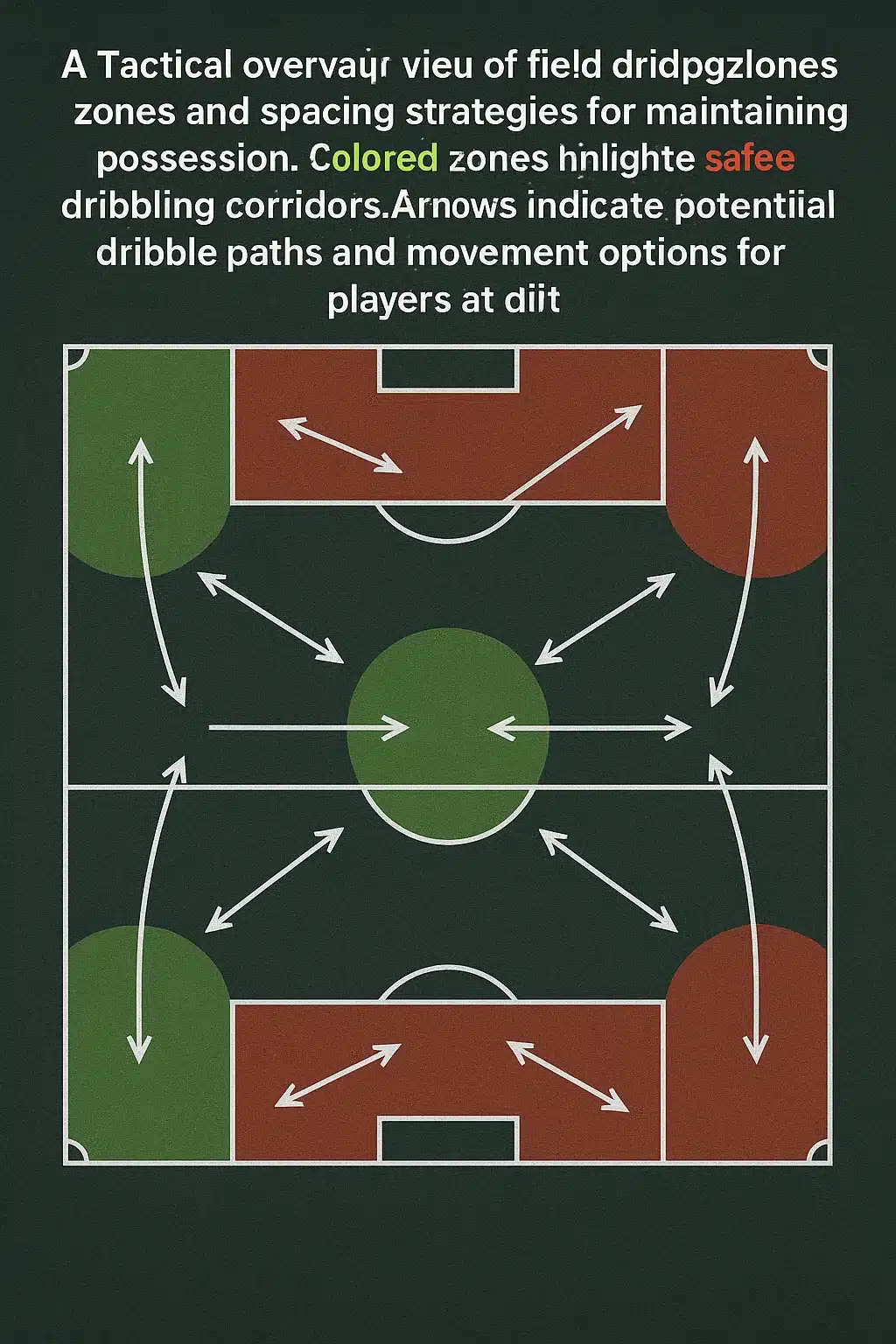
One of the trickiest parts of dribbling is maintaining awareness of your surroundings while controlling the ball. This skill differentiates good players from great ones.
Balancing Field Awareness With Ball Control
It takes practice to trust your feet and eyes simultaneously. Focus on:
- Flicking your gaze up every 2-3 touches: Briefly checking for teammate runs or approaching defenders.
- Using peripheral vision: Rely on side sight to detect motion while keeping the ball in front.
Try practicing dribbling a ball halfway across a field while calling out numbers or colors held up by a partner. This trains your brain to coordinate ball control with scanning your environment.
Exercises to Train Glancing Technique and Visual Scanning
- Obstacle reaction drill: Have a coach or friend show you flash cards or objects to call out while dribbling.
- Mirror drills: Dribble facing a mirror or reflective surface, trying to keep your head up without losing the ball.
- Small-sided games: Play 3v3 games to force looking up frequently and making split-second dribbling decisions.
These activities enhance your ability to dribble with awareness, improving decision-making and creating more opportunities on the pitch.
Signature Moves: Learning and Performing the Seal Dribble and Other Tricks
To really wow onlookers and gain a psychological edge, integrating signature moves into your repertoire is key.
Step-by-Step Guide to the Seal Dribble
The seal dribble involves using the sole of your foot on top of the ball and pushing it forward repeatedly while running, making it hard for defenders to tackle.
How to practice it:
- Start stationary; place the sole of your dominant foot on top of the ball.
- Rock the ball forward with the sole, gently pushing it just a few inches at a time.
- As you gain balance, begin walking forward while ‘rolling’ the ball with the sole.
- Gradually increase speed and add slight lateral movements.
This move works great when defenders watch your feet expecting traditional dribbling, and many pros use it to break tight marking.
Additional Advanced Soccer Dribbling Skills and Creative Tricks
Other fun but effective tricks include:
- The Ronaldo Chop: A quick inside foot cut to change direction sharply.
- Step Over: Stepping over the ball to fake a move one way and pushing it the other.
- Maradona Spin: A full 360-degree turn with the ball to evade defenders.
Master these by breaking down each move slowly, then adding speed and confidence. These tricks not only enhance your style but improve foot dexterity and control.
How to Practice Soccer Ball Dribbling at Home and With Limited Space
If you can’t make it to the field, don’t fret. Consistent practice at home—even in tight spaces—can elevate your skills enormously.
Setting Up Effective Home Drills Using Minimal Equipment
You don’t need fancy gear. Here’s how to set up:
- Use household objects as cones (shoes, bottles).
- Find a small driveway or even carpeted hallway.
- Employ wall passes for touch sensitivity and passing accuracy.
- Designate small square areas to practice close control with tight turns.
For example, I once used a small backyard, dribbling around flower pots and tight bends to sharpen my ball control. The key is consistency—even short sessions daily add up.
Maintaining Consistent Practice for Steady Improvement
Establish a routine: aim for 15-20 minute drills focusing on footwork, control, and agility. Keep a practice journal or use video to monitor progress. Trust me, after weeks of focused practice, you’ll notice leaps in confidence and skill, ready to translate onto the big field.
Coaching Tips for Teaching Soccer Ball Dribbling to Kids and Beginners
If you’re coaching young players or new learners, making dribbling fun and effective is the goal.
Best Drills for Youth Players Focused on Fun and Skill Development
- Red Light, Green Light: Players dribble on “green” and stop the ball on “red”, teaching control.
- Sharks and Minnows: Kids try to dribble past “sharks” who attempt to steal the ball.
- Simple cone races emphasizing skill over speed.
These games build coordination while keeping kids engaged and excited.
Methods to Foster Confidence and Encourage Creative Play
Praise attempts, not just perfect execution. Encourage players to try new tricks or take on defenders without fear. Customized drills that celebrate creativity help develop instinctual dribbling and passion.
Integrating Dribbling Skills into Real Match Scenarios for Maximum Impact
Mastering drills is just the start—you need to translate skills to competitive play.
Transitioning from Practice to Competitive Play
Start by practicing dribbling under pressure in friendly matches or controlled scrimmages. Focus on applying techniques like quick turns and shielding against real defenders.
Reading Opponents and Making Effective Dribbling Decisions
Good dribbling isn’t just about fancy moves—it’s about timing and reading the field. Learn to anticipate defender movements and exploit open spaces. Video analysis of your games can provide valuable insights.
FAQs on How to Dribble Soccer Ball
Q1: What are the best exercises to improve soccer ball dribbling for beginners?
A: Start with toe taps, inside-outside foot touches, and simple cone drills. Incorporating agility ladder exercises enhances coordination. These build foundational ball control and foot speed.
Q2: How can I improve dribbling with my weaker foot?
A: Dedicate half your practice time to your weaker foot with wall passes, juggling, and alternating cone drills. Patience and consistency are essential.
Q3: What’s the best way to dribble keeping your head up?
A: Train by glancing up every 2-3 touches and using peripheral vision. Practice small-sided games and reaction drills to combine ball control and field awareness.
Q4: How do cone drills help in dribbling faster inside tight spaces?
A: Cone drills simulate defenders’ obstacles, improving your ability to make sharp turns and control ball speed under pressure, increasing dribbling speed and precision.
Q5: Can I practice dribbling effectively at home with limited space?
A: Absolutely! Use household objects as cones and focus on tight control and close-space dribbling with short session routines for steady improvements.
Quick Takeaways/Key Points
- Master inside and outside foot touches for fluid dribbling.
- Lock your ankle and use the laces for speed dribbling.
- Develop proficiency with both feet to become unpredictable.
- Practice close control drills and adapt under defensive pressure.
- Incorporate cone and agility drills to boost precision and rhythm.
- Train to keep your head up and read the field while dribbling.
- Signature moves like the seal dribble add creativity and confidence.
Conclusion
Learning how to dribble soccer ball like a pro is a journey that blends technique, practice, and game intelligence. From the basics of ball control and footwork drills to mastering advanced tricks and maintaining composure under pressure, every element plays a vital role in your development. Consistent practice—whether at home or on the field—and embracing the challenge of both feet and tight spaces will transform your gameplay. Most importantly, keep your eyes on the game’s bigger picture, using dribbling not just to flaunt skills but to create opportunities and lead your team toward victory.
So, why wait? Grab your ball, dedicate yourself to the drills outlined here, and watch as your dribbling prowess rises to new heights. Share your progress with fellow soccer ball lovers and keep pushing your limits—because every expert once started with that first conscious touch.
For further reading and training tools, check out:
– Adidas Soccer Balls
– Nike Football Training Gear
– Soccer Coaching Drills
– Agility Ladder Training
– Professional Dribbling Videos
Keep practicing, stay optimistic, and enjoy the beautiful game!