
Mastering soccer ball control is the cornerstone of elevating your game, no matter your level. As someone who’s spent countless hours on the pitch, I can tell you that excellent ball control not only boosts your confidence but also makes you a more effective and creative player. Whether you’re a budding talent or a dedicated soccer ball lover looking to sharpen your skills, understanding and practicing the fundamentals of soccer ball control will open doors for better dribbling, passing, and game intelligence.
In this article, we’ll dive deep into the biomechanics behind ball handling, explore five crucial control skills every player must master, and discuss advanced techniques to give you an edge during tight matches. I’ll share practical drills, tips for improvements, and how to measure your progress effectively. Plus, we’ll touch on strength and conditioning methods that support your control and balance on the field. Ready to refine your touch and command the ball like a pro? Let’s kick off by breaking down the fundamentals of soccer ball control.
Understanding the Fundamentals of Soccer Ball Control
Soccer ball control might look effortless when done by professionals, but behind that smooth gameplay is an intricate understanding of movement, timing, and body mechanics. The essence of controlling the ball lies in your ability to predict, react, and manipulate the ball response with precision.
The Biomechanics Behind Effective Ball Handling Techniques
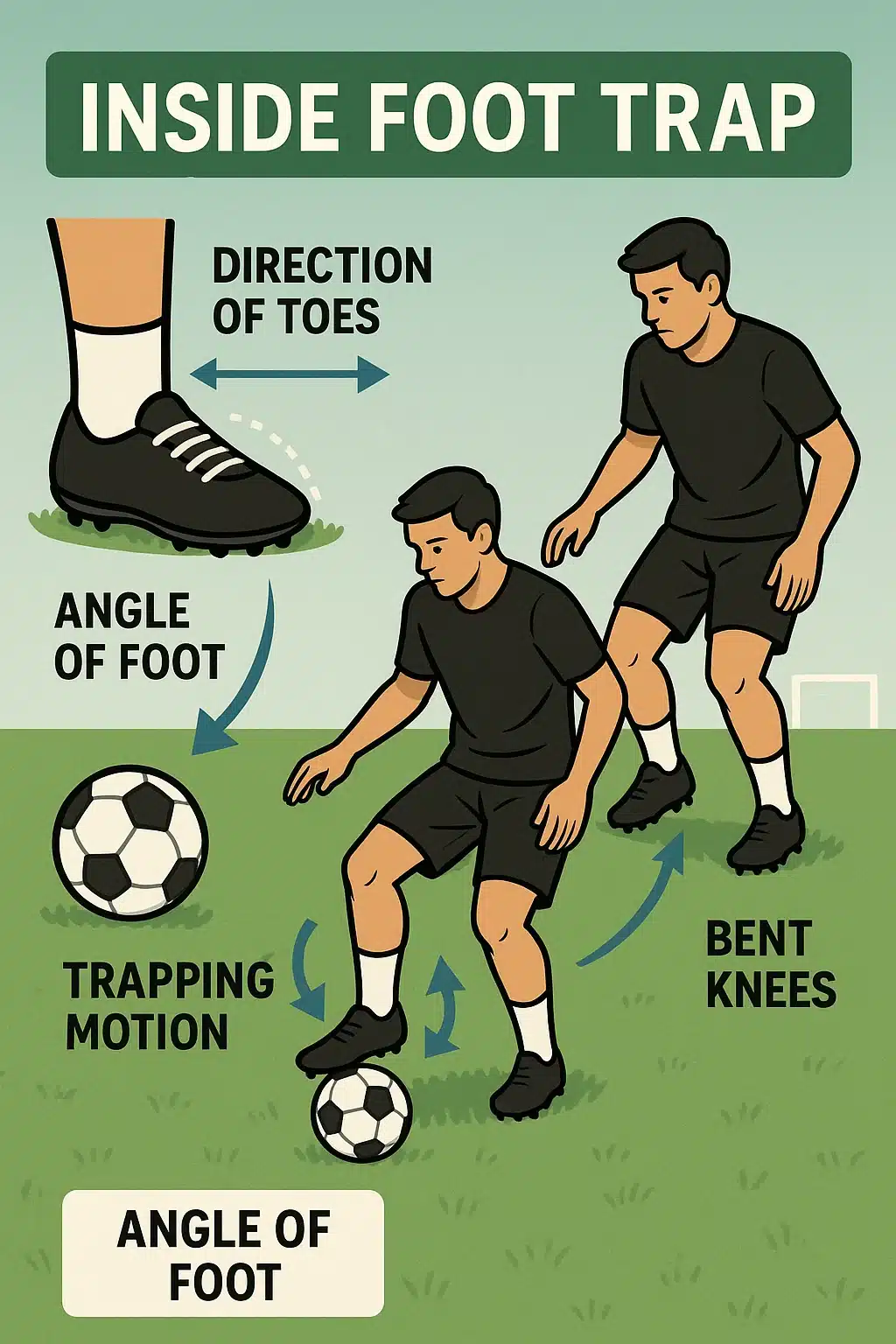
Effective ball control isn’t just about kicking the ball; it’s about how your body aligns, how your feet meet the ball, and how you adjust your mass to absorb or redirect momentum. The key biomechanical aspects include:
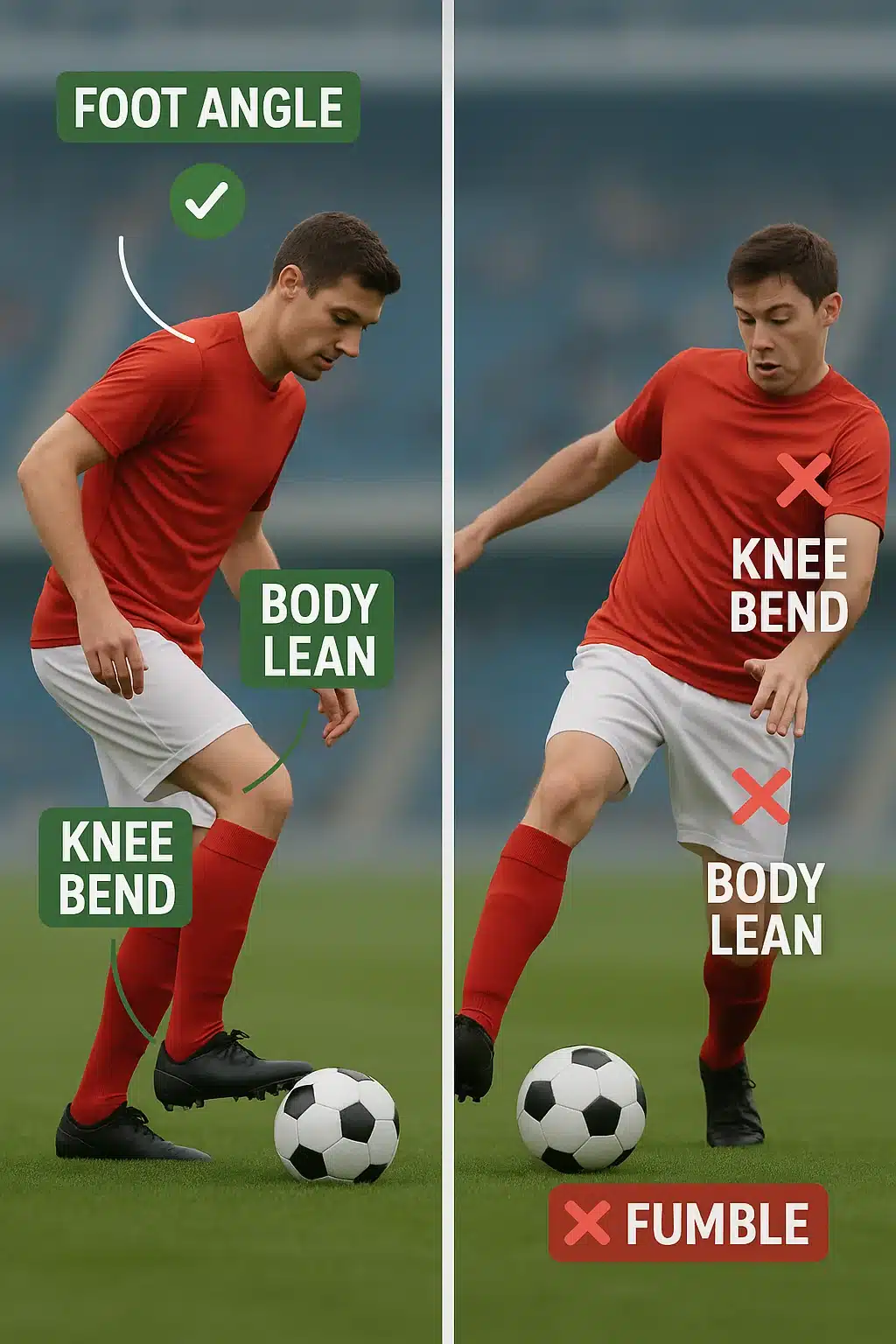
- Balance and posture: Keeping a low center of gravity, with knees slightly bent, allows you to adjust quickly to the ball’s unpredictable bounces or deflections.
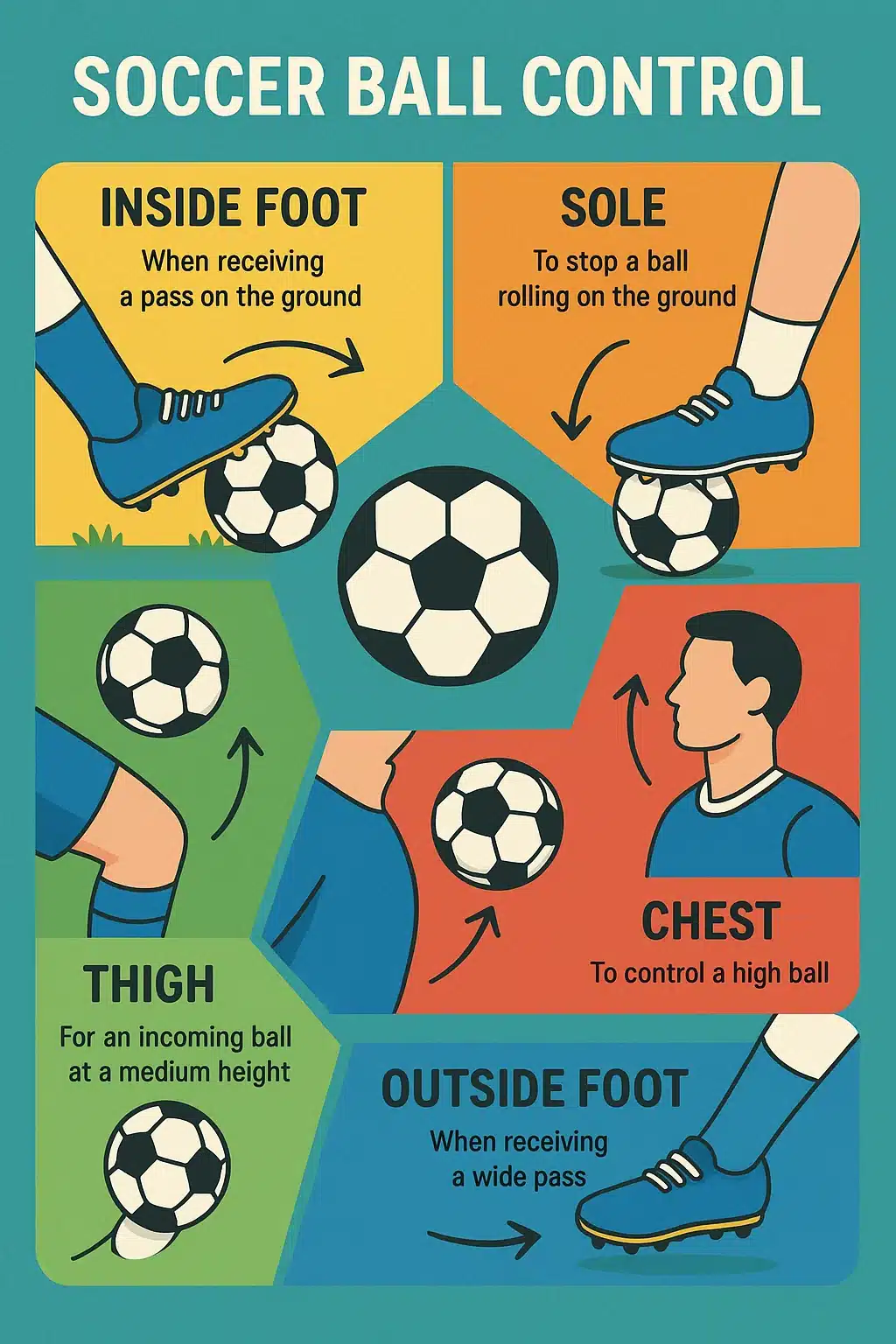
- Foot positioning: Using the right part of the foot (sole, inside, outside, or toe) depending on the situation is crucial. For example, using the sole for trapping versus the inside for quick directional changes.
- Muscle coordination: Synchronizing your legs, hips, and arms enhances control and stability.
- Visual anticipation: Predicting the ball’s trajectory taps into your brain’s spatial awareness and reaction speed.
Researchers have shown that players with superior ball control use minimal unnecessary movement, preserving energy while maintaining maximum efficiency. So, training not only involves repetitive drills but also conditioning your neuromuscular system to respond with precision.
Importance of First Touch in Controlling the Game
The first touch is often the defining moment in soccer—not just for maintaining possession but for dictating the pace and direction of the play. A sharp first touch can:
- Create space: By controlling and moving the ball away from defenders.
- Set up passing options: A well-thought first touch aligns the ball for an immediate pass or shot.
- Boost confidence: When you know you can control the ball instantly, your decision-making becomes faster.
How Early Ball Contact Influences Playmaking Opportunities
The timing and placement of the first contact with the ball can open or close opportunities in a split second. Imagine receiving a pass and cushioning the ball just out of an opponent’s reach while simultaneously preparing for a forward run or pass—that’s the power of an effective first touch. Positioning, soft cushioning to reduce ball speed, and redirecting actions require constant practice, especially under pressure. This is why drills emphasizing first touch under game-like conditions have become staples in soccer training regimens.
Five Core Soccer Ball Control Skills Every Player Must Master
Now, let’s delve into the heart of the matter—the five core soccer ball control skills that transform amateurs into masters.
Skill 1: Precision Ball Trapping Using Sole, Chest, and Thigh
Trapping the ball cleanly keeps possession and helps you make the next move seamlessly. Each body part offers unique advantages:
- Sole trapping: Ideal when the ball rolls on the ground. Place your foot flat on top of the ball to stop its momentum.
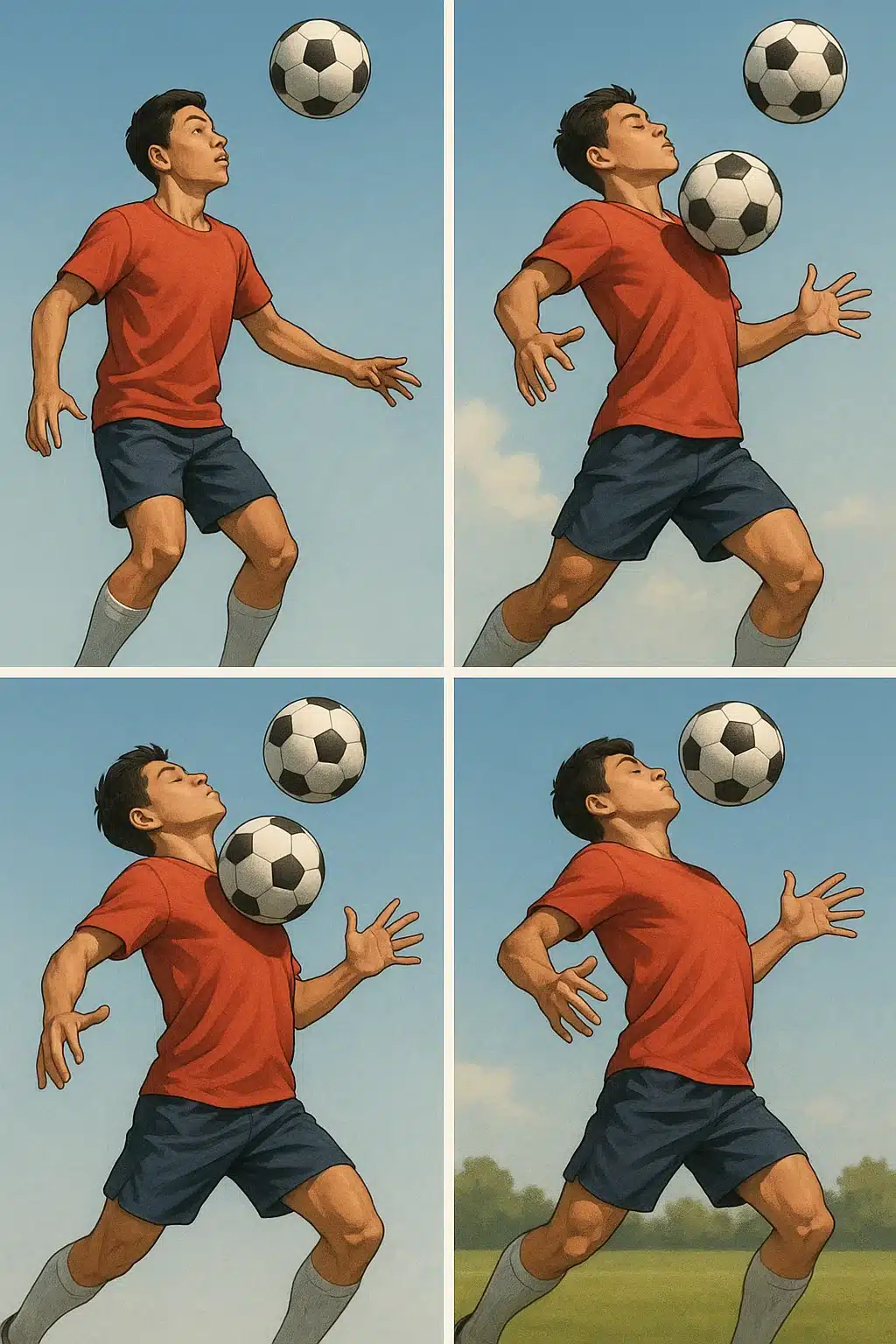
- Chest trapping: Used for controlling high balls. Lean back slightly, use your chest to absorb the ball’s impact, and let it drop at your feet.
- Thigh trapping: Best for mid-air balls that are waist-high. Lift your thigh, create a soft cushioning effect and drop the ball gently.
Techniques for Controlling the Ball Out of the Air
Take the example of a winger receiving a lofted pass while sprinting downfield. The chest trap allows them to control without breaking stride, setting up a shot or a cross immediately after. When mastering ball control from the air:
- Track the ball’s flight: Use your eyes to anticipate where it will land.
- Relax upon contact: Tense muscles repel the ball; soften them to trap effectively.
- Use your arms for balance: Spread your arms slightly to maintain stability.
- Land with bent knees: This absorbs impact, allowing quicker transitions.
Developing Soft Touch to Maintain Possession Under Pressure
Soft touch refers to controlling the ball with minimal force to keep it close. Drills like passing against a wall at varying heights using the sole or thigh can develop this skill. For instance, try trapping the ball and immediately passing it against the wall without letting it bounce twice. This natural flow builds your ability to maintain possession under pressure and discourages opponents from closing in quickly.
Skill 2: Close Control and Dribbling Agility with Cone Drills
Close control is a player’s ability to maneuver the ball effectively in tight spaces. Developing agility and coordination sharpens your ball’s responsiveness to subtle foot movements.
Designing Progressive Cone Dribbling Exercises for Coordination
Start simple by setting cones in a straight line and weave through them using the inside and outside of your foot. Gradually increase:
- Speed of dribbles.
- Distance between cones (for quick touches).
- Incorporate directional changes like pulling the ball back or pushing it forward quickly.
For example, set 10 cones one meter apart and perform:
- Right-foot dribble zig-zag.
- Left-foot only dribble.
- Alternating feet rapid touches.
These exercises reinforce muscle memory and sharpen your close control.
Enhancing Footwork Through Agility Ladder Drills
Agility ladders train your feet to move fast and precisely, which is essential for ball control at high speeds. Combine ladder footwork with a ball by:
- Dribbling inside and outside the ladder rungs.
- Quick toe-taps alternated by sole rolls on and off the ball.
- Incorporate lateral hops followed by a quick touch forward.
Such drills develop foot speed and improve your ability to change direction with the ball confidently.
Skill 3: Mastering Juggling for Enhanced Ball Coordination
Juggling isn’t just a party trick; it’s one of the best ways to hone your touch, balance, and concentration with the ball.
Using Juggling Exercises to Improve Touch and Balance
Start by aiming to keep the ball moving softly between your feet and thighs. Focus on:
- Consistent contact height.
- Using both feet evenly.
- Maintaining relaxed shoulders and a steady core.
Try this progression:
- 10 consecutive foot juggles.
- Alternate foot juggles.
- Incorporate thigh touches.
- Use ‘inside of foot’ juggles for better control variety.
Variations of Juggling for Different Skill Levels
Once comfortable, increase difficulty by:
- One-touch juggling: Limit yourself to one touch per ball drop.
- Target juggles: Juggle and aim to land on a marked spot.
- No hands juggling: Avoid touching the ball with your hands entirely.
This continuous challenge pushes your hand-eye, foot-eye coordination while increasing body control.
Skill 4: Effective 360-Degree Control to Manage Tight Spaces
Modern soccer demands players be aware and in control from every angle, especially in congested areas where defenders swarm.
Techniques to Stay Aware and Control the Ball from All Angles
- Keep your head up: Constantly scan the pitch while ball is at your feet.
- Use your body as a shield: Position your frame between the ball and defender.
- Touch the ball in multiple directions: Practice touches forward, backward, and laterally in quick succession.
A classic demonstration is a midfielder receiving pressure from multiple opponents and swiftly turning to exploit a gap—a must-have skill for those playing in close quarters.
Drills to Improve Spatial Awareness and Reaction Time
Set up four cones around you in a square. Have a partner randomly call directions or point, and quickly touch or roll the ball toward that cone. Increasing speed and reducing reaction time enhance your 360-degree control and responsiveness in real-game situations.
Skill 5: Sharp First Touch and Quick Directional Changes
The ability to receive the ball and immediately change direction or accelerate can outmaneuver defenders and create scoring chances.
Exercises to Improve First Touch Under Competitive Pressure
Quick passing circles help here. Set up a group and:
- Pass the ball between players at increasing speeds.
- Focus on controlling the ball in one touch.
- Introduce defenders or time pressure for intensity.
Another drill: have a partner throw the ball at different heights and speeds, and practice controlling it with your first touch before turning quickly either left or right.
Incorporating Turn Touch and Toe Stops for Rapid Movement
- Turn touch: Trap the ball and pivot on one foot to shift direction swiftly.
- Toe stops: Stop or slow the ball instantly with your toe, allowing you to set up quick dribbles or passes.
These moves demand both good ball control and foot strength, achievable with focused practice and agility training.
Advanced Soccer Ball Control Techniques and Their Applications
Once you’ve nailed the basics, you can explore advanced techniques that dazzle opponents and add layers to your play.
Implementing Scissor Controls and Over-the-Shoulder Touches
- Scissor control: This feint uses a scissor-like foot movement to fool defenders while controlling the ball.
- Over-the-shoulder touches: Used whilst turning away from pressure, allowing you to maintain possession and change the point of attack.
Practicing these moves enhances your flair and unpredictability.
Using Chest Pass and Head Control to Accelerate Play
In tight games, knowing how to use your chest to pass or quickly control headers can speed up tempo and exploit defensive lapses. Harnessing your upper body in ball control rounds out your skillset beyond just footwork.
Training Methods and Drills for Different Player Levels
Beginner Soccer Ball Control Exercises at Home and On the Field
For newcomers, start simple with wall passes, sole traps, and slow dribble cones. Focus on:
- Consistency.
- Comfort with the ball at feet.
- Basic juggling routines.
Use everyday spaces for repetitive drills and short, frequent sessions.
Youth Soccer Ball Control Drills Focused on Engagement and Fun
Games like ‘keep away’ or ‘follow the leader’ encourage creative ball handling while keeping young players motivated. Incorporate colorful cones, small goals, and timed challenges for excitement.
Competitive Player Training for Enhanced Ball Control and Agility
Advanced players benefit from multidirectional cone drills, small-sided games, and plyometric strength training paired with ball control exercises to simulate match intensity.
Using Small-Sided Games and Wall Passing Drills for Real-Game Scenarios
How Small-Sided Games Improve Passing Accuracy and Close Control
Playing in small teams (3v3, 4v4) demands frequent touches, quick decision-making, and close control, all under pressure, mimicking real-game scenarios but at a faster pace.
Designing Wall Passing Drills to Boost First Touch and Adaptability
Using a wall allows endless repetitions. Practice trapping and pushing the ball back in varying patterns and speeds to refine your first touch and crisp passing.
Strength and Conditioning Tips to Support Ball Control Development
Leg and Foot Strength Exercises to Enhance Control and Balance
Exercises like calf raises, single-leg squats, and resistance band foot work improve muscle power and stability essential for sharp touches and sudden stops.
Reaction Time and Reflex Training for Better Ball Handling
Use reflex balls, quick feet drills, and visual cue training to shorten your reaction window and improve ball handling under pressure.
The Role of Spatial Awareness and Vision in Improving Ball Control
Developing Field Awareness to Anticipate Player and Ball Movement
Training your vision to scan during ball control lets you predict plays better and position your body advantageously.
Cognitive Drills to Heighten Perception and Decision-Making Skills
Try drills combining passing with mental tasks (e.g., identifying colors or numbers while controlling the ball). This enhances multitasking on the field.
Essential Equipment and Environment Setup for Effective Training
Utilizing Cones, Agility Ladders, and Walls to Maximize Practice
These are inexpensive tools essential for a well-rounded control training that enhances footwork, agility, and precision.
Adapting Indoor and Outdoor Training Drills for Year-Round Development
Tailor drills to available space and weather, ensuring continuous practice regardless of conditions.
Measuring Progress: How to Track Improvements in Soccer Ball Control
Using Video Analysis and Feedback for Skill Refinement
Recording your training sessions allows detailed review and pinpointing of areas needing adjustment.
Setting SMART Goals and Milestones for Continuous Growth
Specific, Measurable, Achievable, Relevant, and Time-bound goals keep your development on track and motivated.
FAQs
Q1: How can I improve soccer ball control skills effectively at home?
Start with wall passing drills, cone dribbling exercises, and juggling routines. These require minimal space and steadily build your touch, coordination, and confidence.
Q2: What are the best drills for soccer ball control for youth players?
Incorporate fun and engaging small-sided games, cone dribbling challenges, and juggling contests to enhance skills while keeping young players motivated.
Q3: How do I maintain 360-degree ball control in soccer during matches?
Keep your head up, use your body to shield the ball, and practice multidirectional touches in training to be comfortable controlling the ball from any angle.
Q4: What strength and conditioning exercises support soccer ball control?
Focus on leg strength (calf raises, squats), foot agility (resistance band work), and plyometric exercises that improve balance and explosive movement.
Q5: How can small-sided games improve passing accuracy and close ball control?
Small-sided games require quick touches, rapid decision-making, and frequent passing under pressure, all of which directly translate to improved control and accuracy in full matches.
Quick Takeaways/Key Points
- Mastering first touch and trapping is critical for controlling the game tempo.
- Close control and dribbling agility through cones and ladders sharpen foot coordination.
- Juggling builds touch, balance, and mental concentration essential for ball mastery.
- 360-degree control and quick directional changes help manage tight spaces effectively.
- Incorporating strength training and spatial awareness drills elevates overall control.
- Small-sided games and wall passing drills simulate real-game pressure and improve control skills.
- Consistent measurement through video analysis and SMART goal setting maximizes skill growth.
Conclusion
Mastering soccer ball control is a transformative journey—one that takes dedication, practice, and a strategic approach. By focusing on the five essential skills covered here, you’ll unlock a new level of confidence and ability on the pitch. Whether you’re dribbling past defenders, making seamless passes, or juggling through tight spaces, every touch you take shapes the way you play. Remember, excellence in ball control isn’t just about talent; it’s about persistence and smart training.
So, what are you waiting for? Grab your ball, set up some cones, find a wall, and start practicing the drills tailored to your level. Track your progress, stay optimistic, and keep pushing yourself to grow. The ball is at your feet—own it! Join your fellow soccer ball lovers in embracing these techniques and watch your game soar.