

If you’re a soccer ball lover like me, you know that mastering ball skills is just one piece of the puzzle. The other, equally crucial part is fitness. Soccer fitness drills are game-changers—they don’t just improve your endurance and speed, but they also sharpen your agility, reduce injury risks, and elevate your overall performance on the field. Whether you’re just starting out or already playing at a competitive level, integrating these drills into your routine could be the key to unlocking your potential.
In this detailed guide, I’m going to walk you through five powerful soccer fitness drills—you’ll learn how to execute each one, understand their benefits, and discover variations to keep your training fresh. We’ll also cover essential warm-ups, how to tailor drills for youth or beginners, advanced techniques for competitive players, and injury prevention strategies through targeted conditioning. By the end, you’ll have everything you need to boost your stamina, speed, and match readiness. So, lace up those cleats, because we’re diving into the best soccer fitness drills designed just for you!
Understanding the Importance of Soccer Fitness Drills
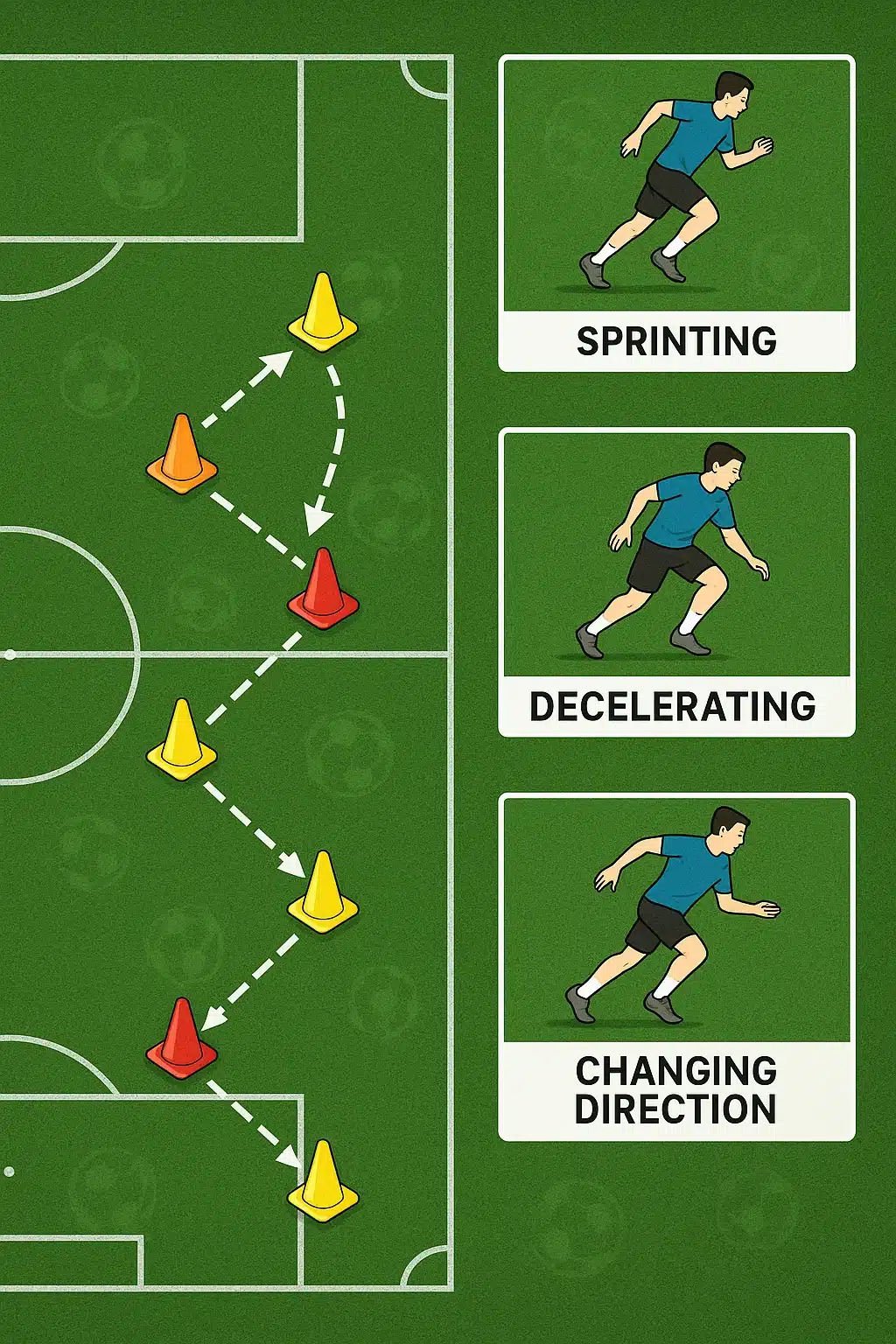
Soccer isn’t just about kicking a ball around; it’s an intense physical sport that blends endurance, power, agility, and tactical skill. That’s where soccer fitness drills come into play—they help condition your body to sustain high levels of physical demand throughout a match.
How Fitness Drills Enhance Endurance and Stamina
Endurance is the backbone of soccer fitness. Players can run anywhere between 7 to 11 kilometers per game, with many surging at high intensity during key moments. Specific drills like shuttle sprints and interval training stimulate your cardiovascular system to handle this workload better. For example, the high-intensity shuttle sprints push your heart rate up, training your muscles to recover quickly between bursts of action. This means when you sprint to intercept the ball or chase an opponent, you won’t gas out quickly.
Scientific studies back this up—players who engage in regular endurance-based drills show improved VO2 max (a measurement of oxygen efficiency in the body), translating directly into better performance and less fatigue. Incorporating drills that mix aerobic and anaerobic demands ensures your stamina holds up, whether in the first half or the last few nail-biting minutes of a game.
The Role of Speed and Agility in Modern Soccer
In today’s fast-paced game, speed and agility can turn the tide. It’s not only about how fast you can sprint straight but how quickly you can change direction, accelerate, and decelerate. Agility drills like the 5-10-5 shuttle sharpen lateral movement and balance, critical when evading defenders or cutting sharply.
These drills refine neuromuscular coordination—the brain’s ability to communicate with your muscles rapidly. This improved reaction time can give you those milliseconds needed to react to an opponent’s feint or to position yourself better defensively. Plus, an agile player adapts seamlessly to different game situations, enhancing tactical flexibility on the pitch.
Injury Prevention Through Targeted Conditioning
Soccer can be tough on your body with frequent pivoting, sudden accelerations, and physical challenges. That’s why injury prevention needs to be baked into your fitness regimen through conditioning. Drills focusing on plyometrics, strength, and core stability strengthen muscles and joints, making them more resilient.
For instance, hill sprints don’t just build leg power—they also help prevent muscle strains by improving eccentric strength (the ability of muscles to resist lengthening under tension). Combined with warm-up routines focusing on dynamic mobility and balance, these conditioning drills reduce the risk of common injuries like hamstring pulls or ankle sprains, keeping you on the field longer.
Drill 1: High-Intensity Shuttle Sprints for Explosive Speed and Endurance
Setup and Execution
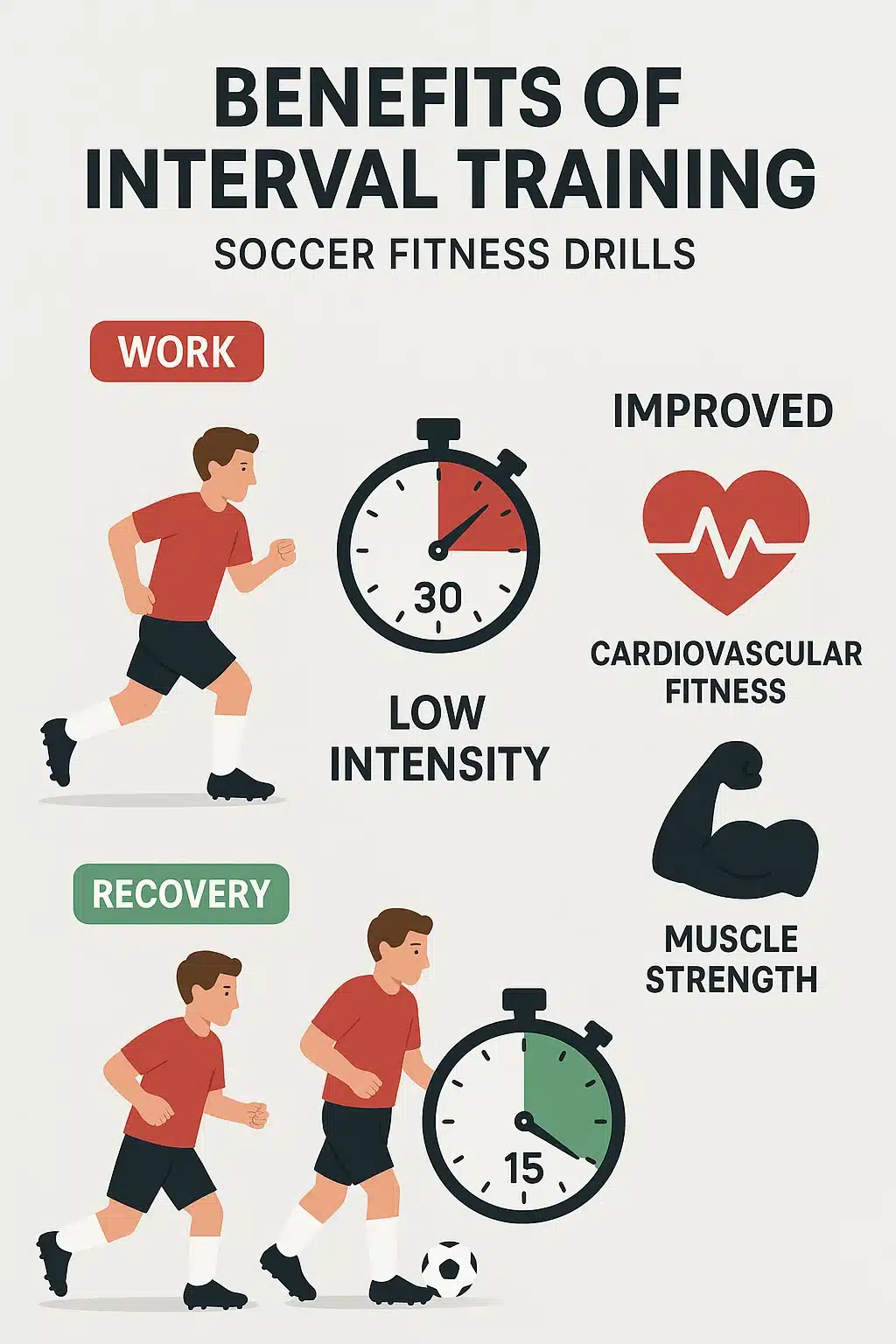
One of the most effective soccer fitness drills to improve endurance and accelerate recovery is the high-intensity shuttle sprint. Here’s what you need:
- A flat field or track with cones marked 20 meters apart.
- Stopwatch or timer (a simple mobile app works).
- Space for a proper warm-up beforehand.
The drill consists of sprinting from the start cone to the 20-meter cone, touching the ground or cone, then sprinting back fast. Repeat this cycle 5 to 8 times, depending on your fitness level. Rest for 30 to 60 seconds between sets and do 3 to 4 sets in total.
Benefits for Acceleration and Cardiovascular Fitness
This drill combines short bursts of intense sprinting with active recovery phases, mimicking in-game demands where you constantly accelerate, decelerate, and recover. It improves both your fast-twitch muscle fibers for quick sprints and aerobic capacity for sustained performance.
Athletes who regularly train with shuttle sprints report faster recovery during matches and enhanced ability to execute consecutive sprints without a drop-off in speed. This translates into dominating key moments like breakaways or defensive presses.
Variations to Keep Training Fresh and Effective
Change things up by varying distances (10 to 30 meters) or by converting the shuttle sprint into a “suicide run” pattern, adding multiple touchpoints between cones. For advanced players, introduce a ball to the drill—dribble on the sprint out and control the ball on the return to fuse fitness with technical work.
Drill 2: 5-10-5 Agility Drill to Sharpen Lateral Movement and Balance
Proper Technique and Common Mistakes
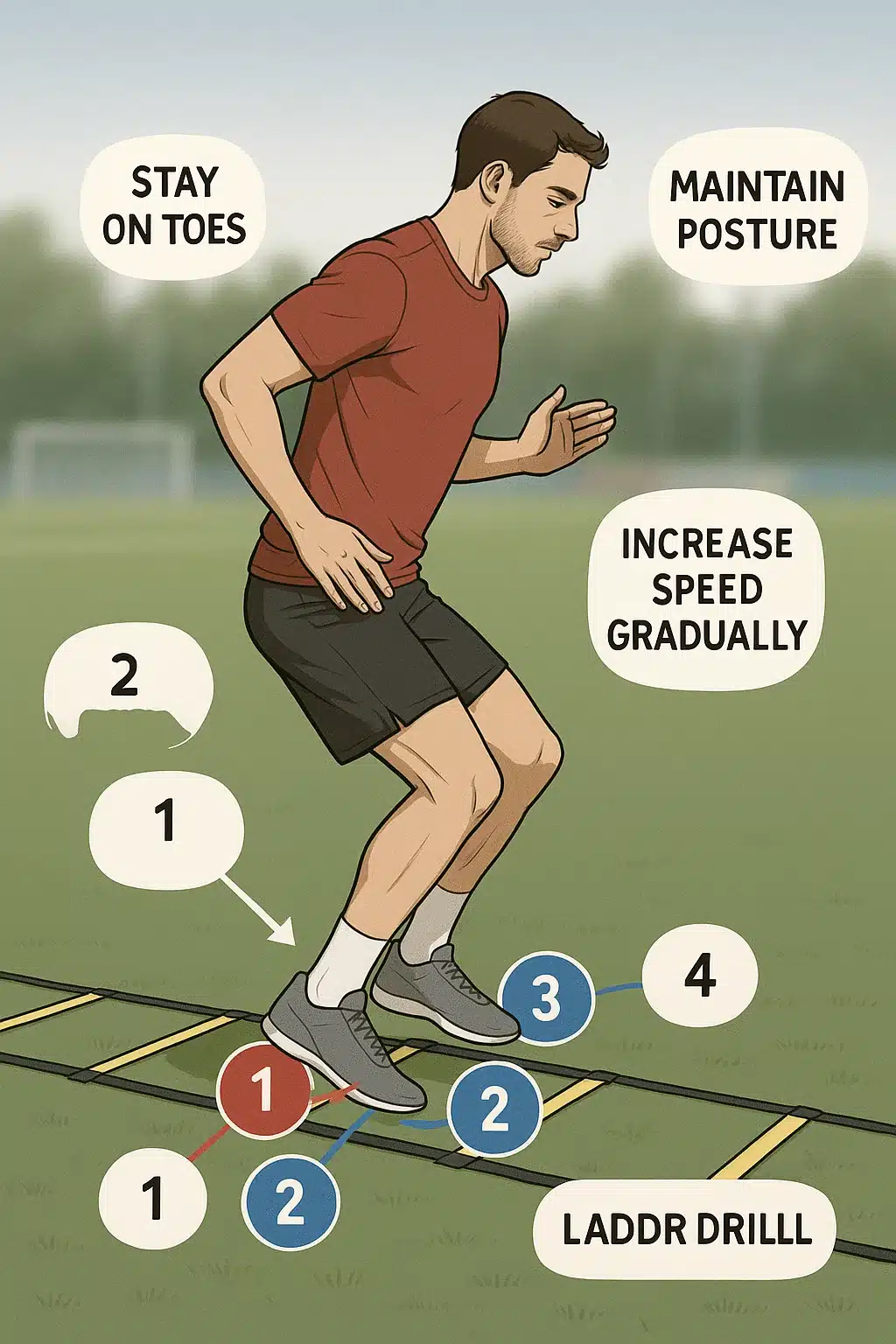
The 5-10-5 agility drill, also called the pro agility shuttle, is a cornerstone in soccer fitness drills to boost lateral quickness and balance. Set up three cones 5 yards apart in a straight line. Start at the middle cone, sprint 5 yards to the right, then 10 yards to the left, and finally 5 yards back to the middle.
Key technique tips:
- Keep a low center of gravity—slightly bend at the knees and hips.
- Use short, explosive steps instead of long strides.
- Maintain an upright torso and active arm movement for balance.
- Avoid crossing your feet while changing direction to prevent tripping.
A common mistake is standing too upright or beginning the lateral movement too slowly, which reduces the drill’s effectiveness in improving game-like acceleration.
How It Translates to On-Field Performance
Mastering the 5-10-5 drill enhances your ability to quickly dodge opponents, shift positions, and react defensively. Defenders who excel in lateral movement can shadow attackers more effectively, while midfielders can open up pockets of space. This drill builds the agility necessary to make split-second directional changes while maintaining control and balance.
Integrating Reaction Time Challenges
To up the ante, have a coach or teammate call out directions or hold up colored cards as you start the drill, forcing you to react quickly before sprinting. This simulates match scenarios where decisions must be made in an instant, enhancing mental sharpness in addition to physical agility.
Drill 3: Plyometric Ladder and Cone Drills for Coordination and Speed
Combining Footwork with Plyometric Jump Training
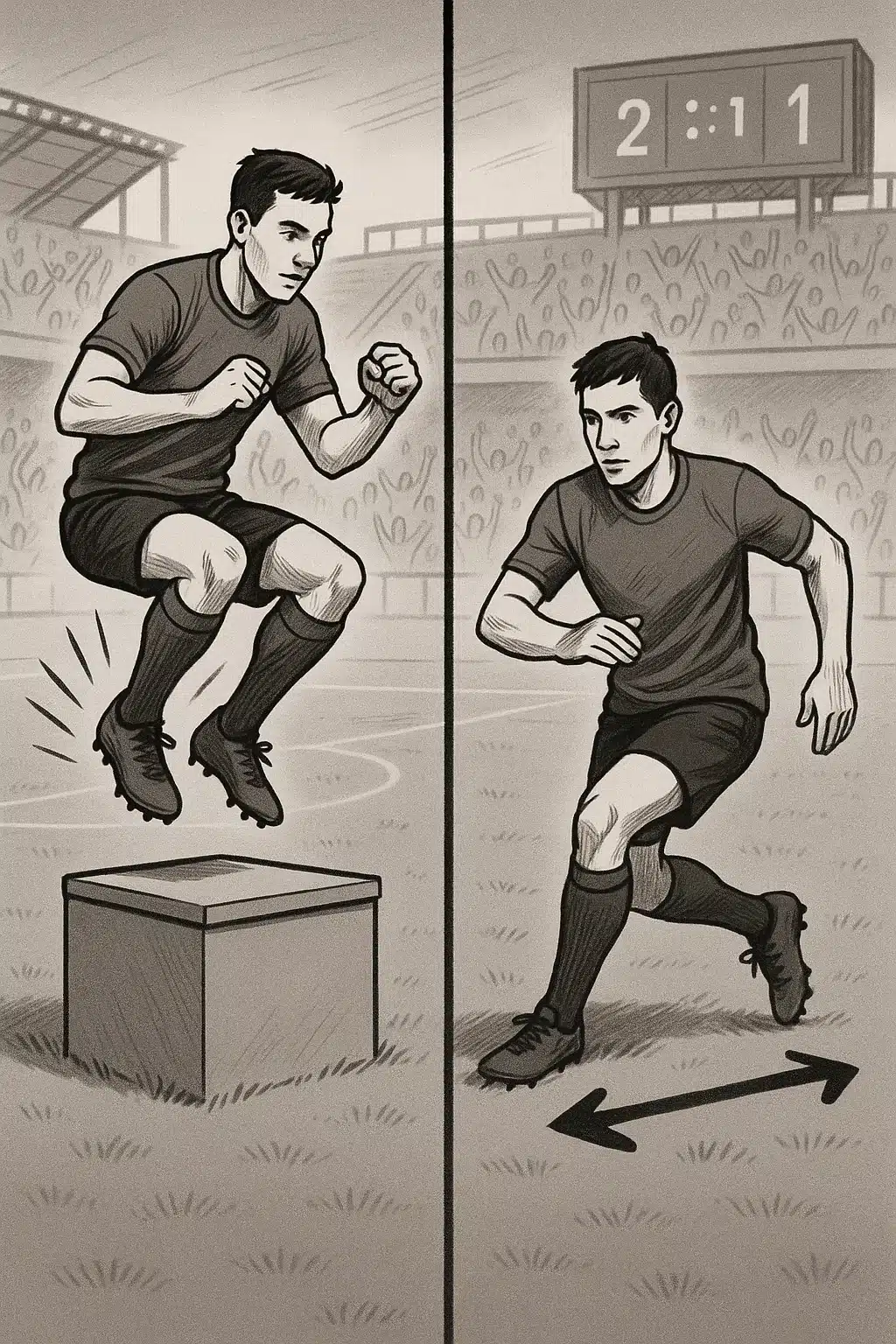
Using an agility ladder complemented by cone drills is a smart way to integrate coordination, plyometric power, and speed. The ladder drills improve foot speed and neuromuscular control through quick, precise steps. Plyometric drills—like bounding, lateral jumps, and squat jumps—build explosive leg power essential for sprinting and jumping during matches.
For example, try the following sequence:
- Sprint through the ladder placing one foot in each square.
- Immediately perform lateral cone hops over a set of cones 1 meter apart.
- Finish with a 10-meter sprint.
Progressions for Beginners to Advanced Players
Beginners should start slowly to master proper foot placement and balance before increasing speed. Advanced players can add single-leg hops or double ladder runs in quick succession to amplify intensity. Combining drills creates a powerful workout that mimics the quick transitions demanded in soccer.
Enhancing Functional Movement Patterns Specific to Soccer
This combination strengthens movement patterns like pivoting, lateral shuffling, accelerating from static positions, and jumping—all fundamental in soccer. Functional training minimizes inefficiencies in movement, giving you an edge in quick plays and aerial duels.
Drill 4: Small-Sided Games Circuit for Functional Soccer Fitness
Designing Circuits to Simulate Match Demands
Small-sided games (SSGs) pack multiple fitness components—endurance, anaerobic capacity, tactical thinking—into one fun drill. A typical circuit might involve 3v3 or 4v4 games on reduced fields (half or quarter pitch) for 5-8-minute bouts with short rest intervals.
Because the space is smaller, players are constantly active, making quick passes, sprints, and tactical movements. This drill simulates the intensity and technical demands of a real match while boosting fitness.
Position-Specific Adaptations for Maximum Benefit
Tailoring drills for positions enhances benefits further. Forwards might focus on explosive bursts and finishing drills within SSGs, while defenders prioritize marking and quick lateral movements. Midfielders can work on endurance and ball distribution under pressure. This specificity ensures players develop relevant physical and technical skills cohesively.
Incorporating Tactical and Technical Elements
Coaches can layer tactical instructions like maintaining shape or pressing high, alongside fitness objectives. This integration doesn’t just build physical capacity; it sharpens decision-making and teamwork under fatigue.
Drill 5: Hill Sprint Intervals for Leg Power and Anaerobic Capacity
Optimal Hill Selection and Sprint Protocols
Hill sprints are brutal but effective soccer fitness drills for building power in the quadriceps, hamstrings, calves, and glutes. Choose a hill with a moderate incline (around 5-7% grade) that’s 30 to 50 meters long.
Sprint uphill at max effort for 10 to 20 seconds, then walk back slowly to recover. Start with 4 to 6 repeats and gradually increase to 8 to 10 over weeks. Focus on maintaining strong arm drive and knee lift.
Recovery Strategies Between Repeats
Unlike flat sprints, hill sprints require longer recovery to avoid early fatigue. Walk downhill slowly for at least twice your sprint time to allow for partial muscle recovery and lactate clearance. Consistent recovery ensures quality effort each repeat, maximizing strength gains.
Long-Term Benefits for Sprint Speed and Strength
Over time, hill sprints enhance muscle fiber recruitment and build anaerobic capacity critical for short, intense bursts in soccer. Players often notice quicker acceleration, improved jump height, and greater overall leg strength, which can make a tangible difference during close encounters or contests for possession.
Soccer Fitness Warm-Up Routines to Prepare Body and Mind
Dynamic Exercises to Activate Key Muscle Groups
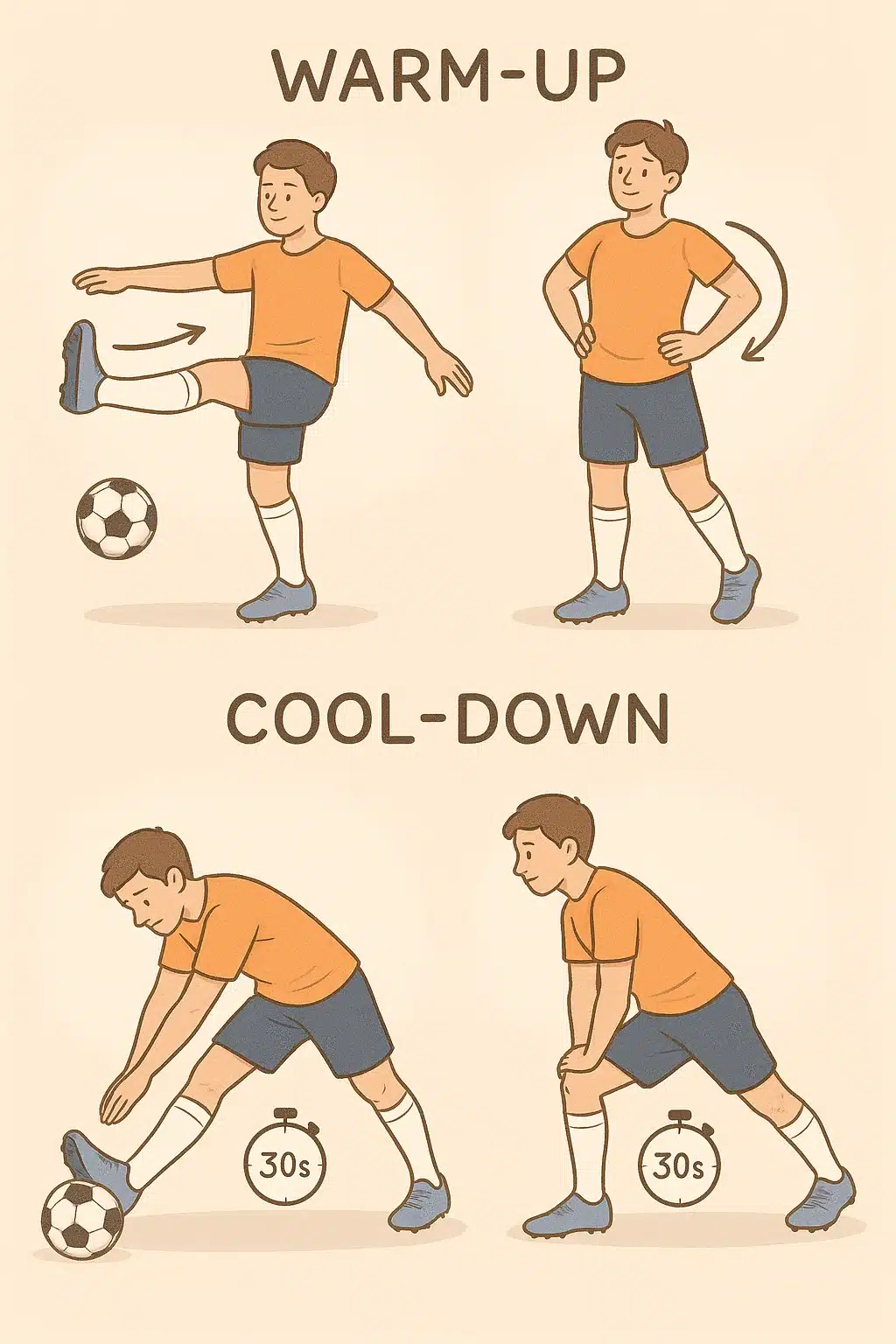
Effective warm-ups activate muscles and increase heart rate gradually for injury prevention and performance optimization. Begin with leg swings, hip circles, lunges with a twist, and high knees to prepare the hamstrings, quadriceps, hips, and core.
Incorporating Mobility and Stability Drills
Add mobility drills like ankle rotations and hip openers, paired with stability work such as single-leg balances or plank variations. These exercises prime joint function and neuromuscular control, reducing injury risk during intense play.
Mental Preparation Techniques Embedded in Warm-Ups
Warming up isn’t just physical—mental readiness sets the tone. Incorporate visualization or breathing exercises alongside drills. For example, as you go through footwork ladder drills, mentally picture in-game scenarios to sharpen focus and emotional control before kickoff.
Tailoring Soccer Fitness Drills for Youth and Beginner Players
Age-Appropriate Intensity and Complexity Levels
Youth players require different approaches than adults. Fitness drills should be shorter in duration with more rest, focusing on fundamental movement skills rather than high-intensity intervals. For example, instead of hill sprints, jogging on level ground with playful sprints can build aerobic capacity safely.
Emphasizing Fun While Building Foundational Fitness
Integrate games and challenges to keep young players engaged. Relay races or tag games hone agility and speed without feeling like workout drills. Fun reinforces consistency and a love for fitness that carries forward.
Monitoring Progress and Avoiding Overtraining
Young athletes are vulnerable to overuse injuries. Coaches and parents should monitor feedback closely, ensuring a gradual increase in workload and incorporating rest days to allow growth and recovery.
Advanced Soccer Fitness Drills for Competitive Players
High-Intensity Interval Training (HIIT) for Match Readiness
HIIT protocols—bursting at 90-100% effort for 20-40 seconds followed by rest or low-intensity activity—simulate soccer’s intermittent intensity perfectly. This type of training boosts both aerobic and anaerobic systems, ideal for neophytes seeking to enhance stamina and sprint capacity.
Functional Strength and Conditioning Integration
Advanced players benefit from integrating gym-based strength work (e.g., squats, deadlifts, core stability) with on-field drills. Stronger muscles translate into less injury risk and improved power during sprints and jumps.
Using Technology and Metrics to Track Improvements
Modern players and coaches leverage GPS trackers, heart rate monitors, and motion sensors to optimize workouts. Tracking sprint times, recovery heart rates, and distance covered provides objective data to tailor training programs specifically.
Injury Prevention Strategies Through Targeted Conditioning
Exercises for Common Soccer-Related Injuries
Strengthening the muscles around the knees, hips, and ankles with exercises like Nordic hamstring curls, lateral band walks, and single-leg squats protects against tears and strains. Core stability work with planks and bird-dogs supports balance and posture on the field.
Balancing Load and Recovery in Training Programs
Periodization—alternating high and low-intensity phases—helps players avoid burnout and overtraining. Incorporate active recovery days, including light jogging, stretching, and swimming to aid muscle repair.
Role of Flexibility and Core Stability Exercises
Consistent flexibility work prevents muscle stiffness, while core stability serves as the foundation for balance and power. Yoga and Pilates-inspired moves can be excellent adjuncts to traditional soccer fitness drills.
Building a Personalized Soccer Fitness Training Plan
Assessing Individual Strengths and Weaknesses
Start with a fitness assessment including endurance tests, speed trials, and agility challenges. Understanding your unique profile helps tailor drills that focus on your weaker areas while maintaining strengths.
Periodization and Progression Principles
Plan your training in cycles (e.g., weekly or monthly), increasing intensity and volume gradually. Include deload weeks to allow recovery. This systematic approach ensures continuous progress with minimal injury risk.
Incorporating Recovery and Nutrition for Optimal Performance
Fitness gains come from training and recovery combined. Hydration, balanced nutrition rich in protein and carbs, and sufficient sleep are critical. Consider strategies like foam rolling and massage to enhance muscle recovery.
Q1: What are the best soccer fitness drills for beginners?
A1: Beginners should focus on foundational drills such as short shuttle sprints, ladder footwork at a comfortable pace, and small-sided games emphasizing fun and movement basics.
Q2: How can soccer fitness drills improve endurance?
A2: Drills like high-intensity shuttle sprints and small-sided games boost cardiovascular capacity by simulating repeated bursts and recovery periods common in matches.
Q3: Are there soccer fitness drills that don’t require a ball?
A3: Absolutely! Hill sprint intervals, plyometric ladder drills, and agility exercises like the 5-10-5 shuttle can all be performed without a ball while enhancing fitness.
Q4: How do agility and speed soccer fitness drills help on the field?
A4: They improve your ability to change direction quickly, accelerate, and maintain balance, allowing you to outmaneuver opponents and improve defensive and offensive maneuvers.
Q5: What drills can help prevent soccer injuries?
A5: Conditioning exercises like plyometrics, core stability drills, Nordic hamstring curls, and dynamic warm-ups reduce injury risk by strengthening muscles and improving flexibility.
- Soccer fitness drills are essential for enhancing endurance, speed, and agility on the field.
- High-intensity shuttle sprints boost cardiovascular fitness and sprint recovery.
- The 5-10-5 agility drill refines lateral quickness and balance, critical for in-game maneuvers.
- Plyometric ladder and cone drills improve coordination and explosive power.
- Small-sided games simulate match conditions while developing fitness and tactical skills.
- Hill sprints build leg power and anaerobic capacity, crucial for short bursts in soccer.
- Tailor drills to your age, skill level, and playing position for maximum benefit and safety.
- Dynamic warm-ups and injury prevention strategies optimize performance and reduce downtime.
Conclusion
As a fellow soccer ball lover, I can tell you that dedicating time to soccer fitness drills will not only boost your physical capabilities but also make the game more enjoyable and competitive. Each drill I shared offers unique advantages, from improving explosive speed to enhancing match endurance and protecting your body from injury. The beauty of these drills is that you can customize them to fit your needs—whether you’re a youth player still building basics or an advanced athlete chasing peak performance.
Don’t forget the importance of a consistent warm-up, well-rounded conditioning, and smart recovery to keep your body up to the task. Embrace these drills, stay patient, and watch your stamina, agility, and confidence soar on the field. Ready to take your game to the next level? Grab your gear, start warming up, and let these drills transform your soccer fitness journey!
For more soccer training insights, check out resources like CONDITION Soccer, STACK Soccer Performance, and Soccer Coaching International for advanced drills and professional tips.